From the archive · 2019
We Reviewed Decathlon's €140M Growth Machine
From the archive — written in 2019, still true.
Before we begin, we want to be clear: Decathlon is not (yet) one of our clients. We ran this analysis without access to their data. Imagine what we could do if we had it.
We chose Decathlon for three reasons: we love their products, our audience voted for it, and we’re impressed by their phenomenal growth over the last few years.
€140,000,000. That’s the total online sales Decathlon generated in 2018 — and it only accounts for 4.5% of the global sales generated in France. By delivering a seamless experience both online and offline, they’ve become the largest sporting-goods retailer in the world, with two-digit turnover growth for eight straight years.

But how did they do it? The answer is simple: by developing their own brands and selling them to the masses — high-quality products at the most affordable price. By doing the exact opposite of their competitors, most of whom act as simple distributors, they now compete with giants like Amazon, Adidas and SportsDirect.
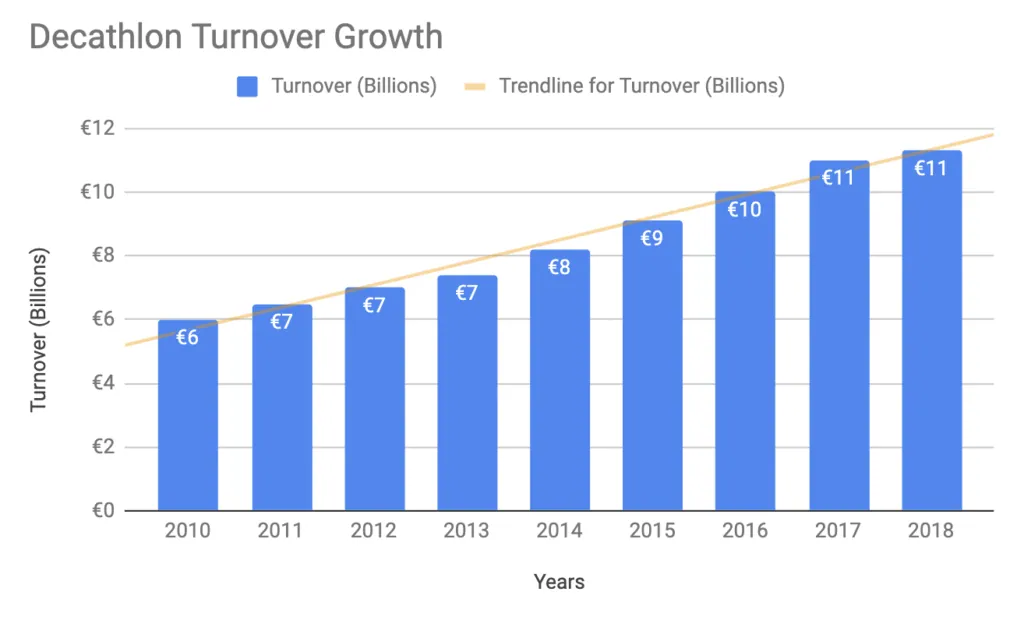
In this teardown, we analysed Decathlon’s growth-marketing strategy, audited their customer journey, and mapped the whole thing onto the Growth Marketing Canvas. (Since this is in English, we ran the audit on the UK website.)
Growth foundations
The golden circle
People don’t buy a product for its features — they buy it because it solves a problem. Decathlon’s why: “Decathlon makes sport accessible for the many.” Their how: making sports gear easily available and affordable for everyone. Their what: designing and selling gear for around 70 sports at an affordable price.

The personae
The goal is to sell to the masses — but that doesn’t mean targeting every single human being. Decathlon works across three primary segments (young, middle-aged, senior), each sub-segmented by household (single, couple, couple with children). They target consumers who seek value for money rather than image or brand names like Adidas or Nike.
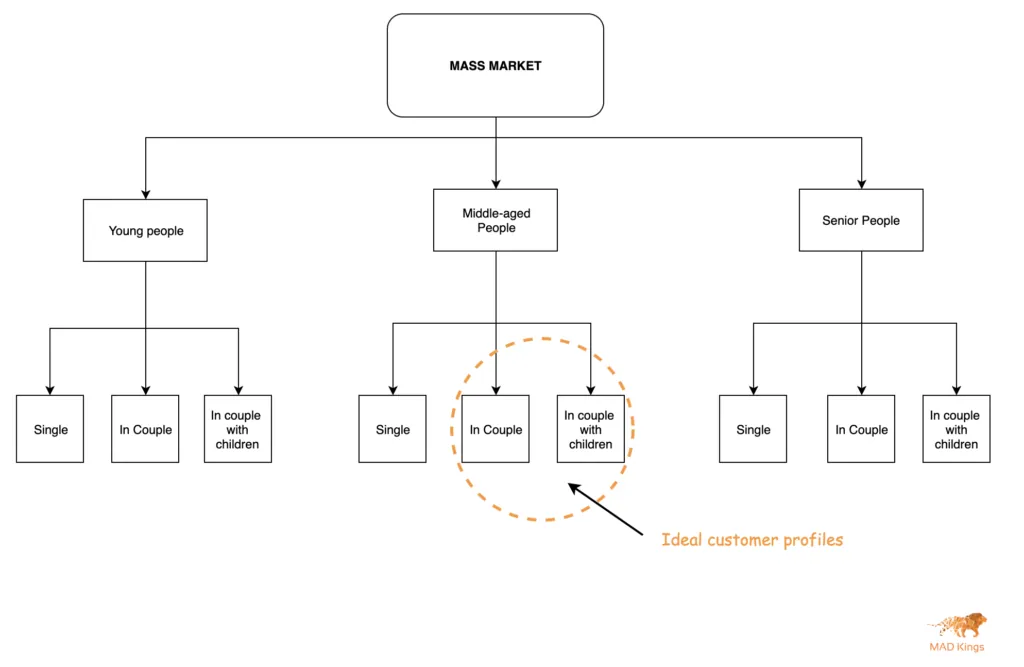
Our best educated guess: the middle-aged segment is their ideal target — they buy more often, for their kids, and have greater purchasing power.
The product DNA
The “hyper-specialist” strategy
Founder Michel Leclercq started in 1976 as a reseller for other sporting brands — then hit a wall when no brand wanted to deliver to him anymore. So he decided to design and manufacture his own products. He started with bike frames sold under the Decathlon name; it was such a success that he replicated the model into “passion brands.”
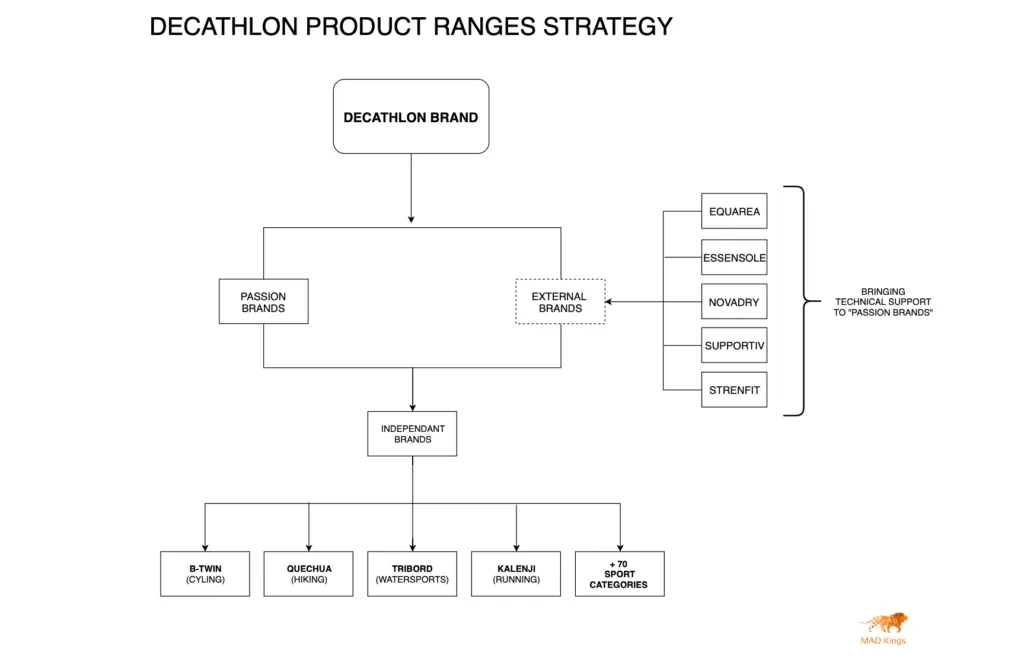
Today Decathlon owns 25+ labels covering 70+ sports (aiming for 100). That’s the power: being hyper-specialised in every category to be the most relevant. Their end goal? Becoming the Ikea of sporting goods.
”Validation first”
At Decathlon, all products are made by sportspeople for sportspeople. Instead of guessing what to sell, they involve their own community to build products that solve real pain points — combining customer feedback with employee “insights” (they only recruit passionate sportspeople, from cashier to store manager).
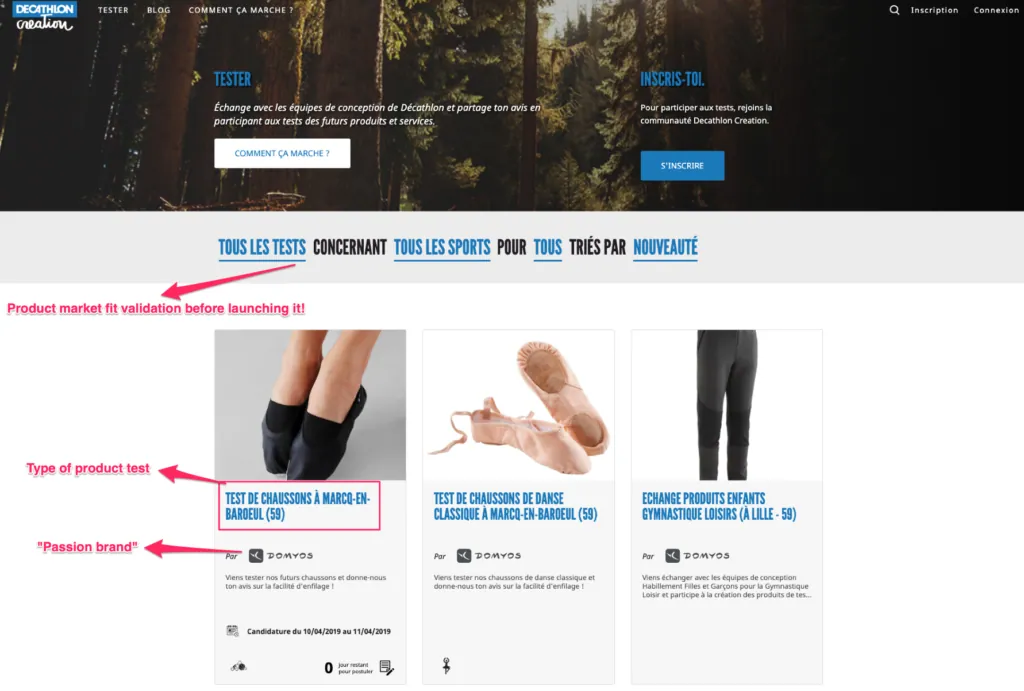
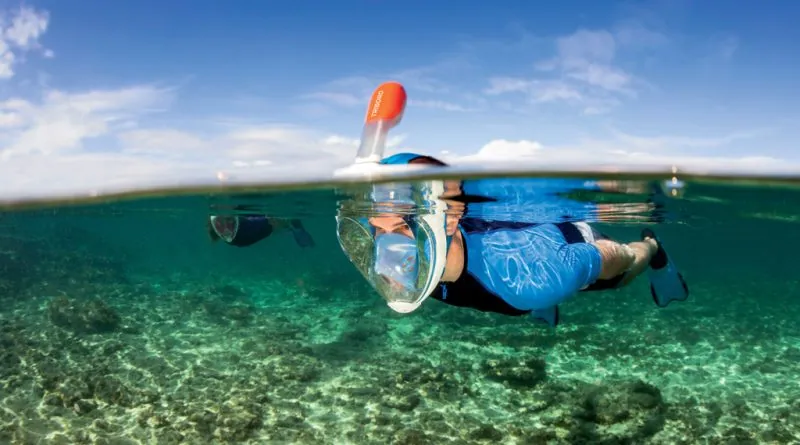
A few years ago they launched “Decathlon Creative,” a platform where consumers submit product ideas; popular ones get produced. Fun fact: the easybreath snorkel mask came from a project manager who was himself an avid scuba diver and watched swimmers struggle between mask and snorkel.
“Be everywhere”
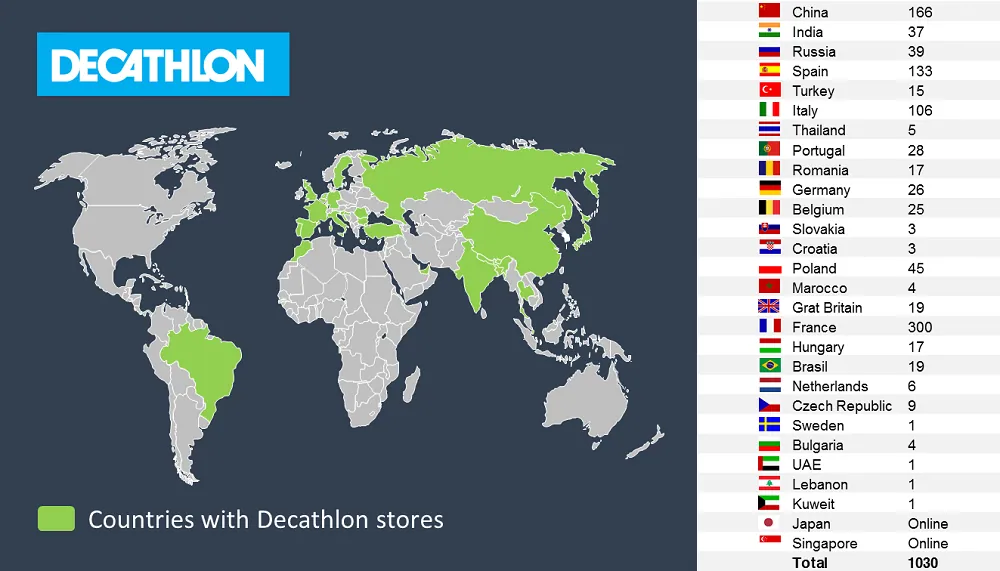
With 1,000+ stores plus strategic warehouses worldwide, Decathlon sells 30–40% cheaper than the competition — and recently surpassed Nike and Adidas in revenue in India. Digitally, they run 14+ websites and 32 mobile apps (20 iOS, 12 Android).
Website traffic
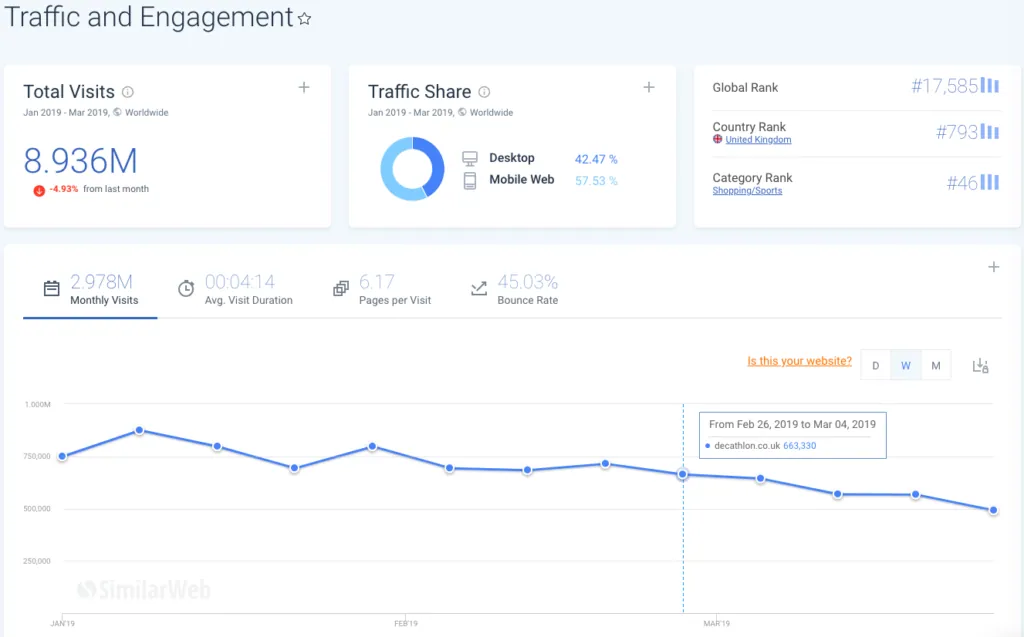
The UK website pulls over 2 million monthly visitors, ranks 46th globally in shopping/sports, and shows reasonable engagement: a 45% bounce rate and a 4-minute average time on site. What’s striking is the traffic source — almost 60% comes from mobile.
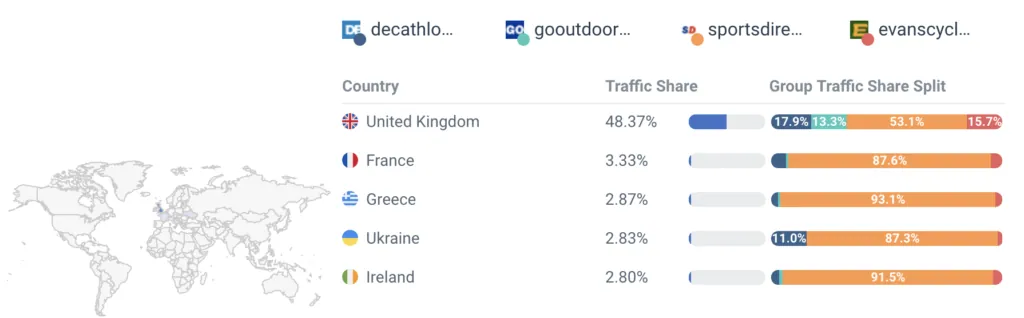
Competition is local: it varies by market. In the UK, the three main competitors are GoOutdoors, SportsDirect and EvansCycles. Almost 50% of Decathlon’s visitors come from the UK, and SportsDirect is the most dangerous competitor — siphoning 53% of traffic among the group.
Acquisition channels
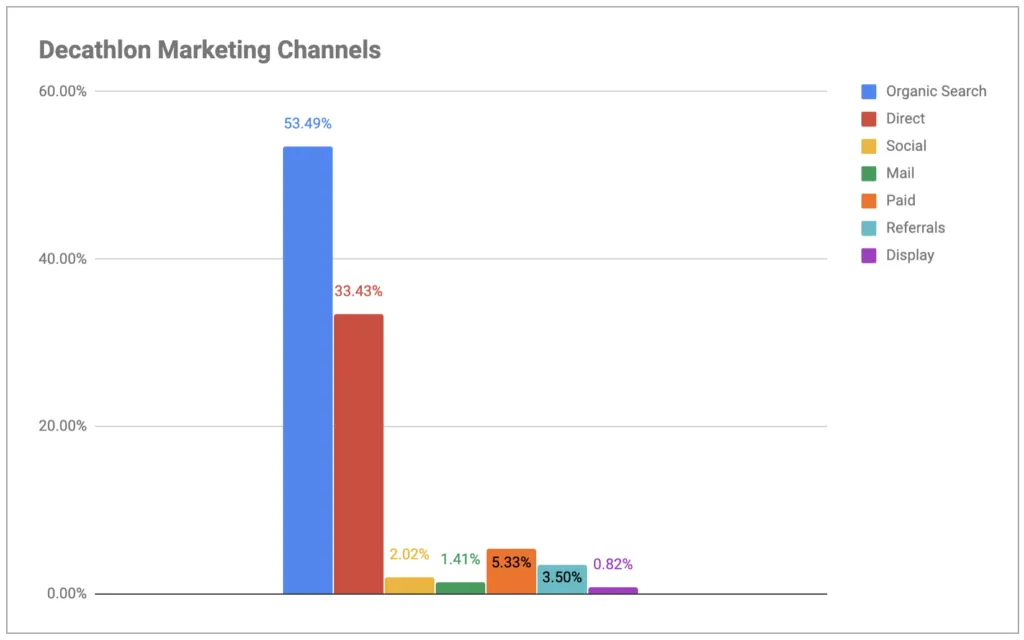
Decathlon’s main channel is SEO, followed by direct traffic — a long-term game, with paid search at only ~6%. Having direct as the second channel is a positive sign: strong brand awareness.
Search engine optimisation
With 14+ websites, they use country-code top-level domains (ccTLD) — easier to rank locally when you go international.

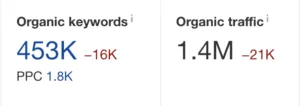
The UK site ranks for 453,000 keywords, driving 1M+ organic visitors, with 13,063 keywords in positions 1–2 — and not just brand terms (they sometimes rank first for “resistance bands” or “sleeping bag”).
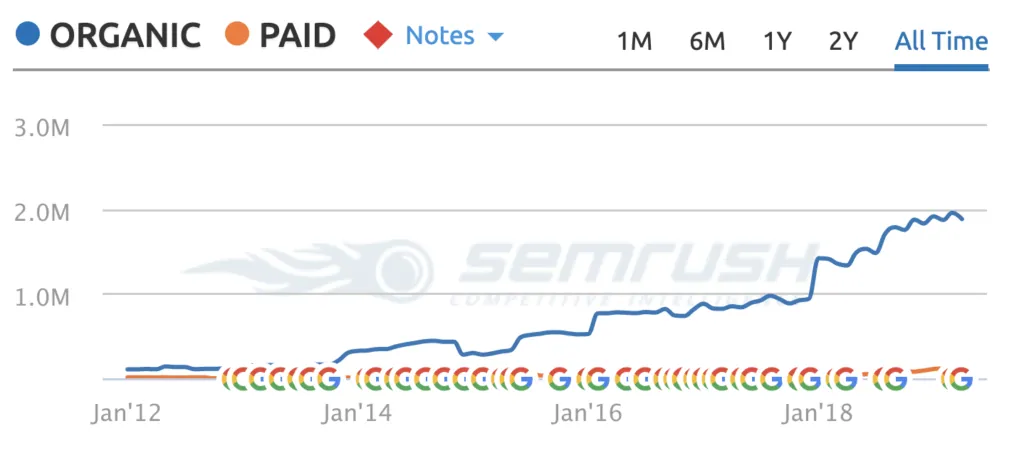
A lot of SEO investment landed at the end of 2017; since then the growth has been unstoppable.
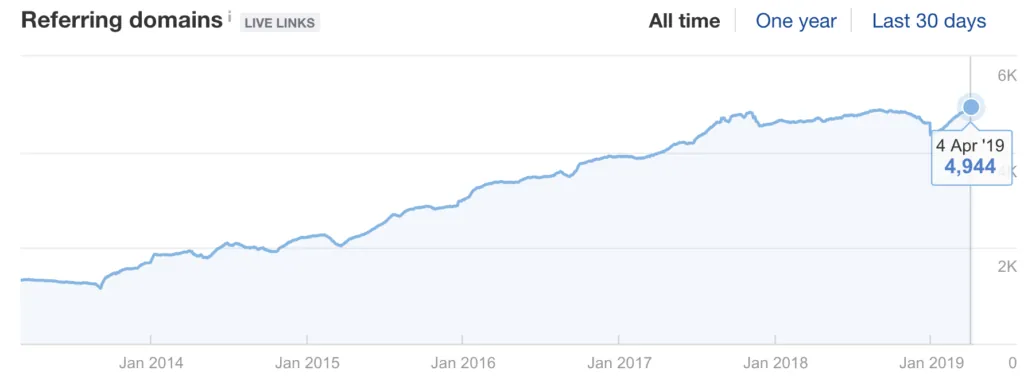
Their backlink profile is huge — almost 5 million links, mostly from other Decathlon domains (.fr, .be, …).

Content strategy
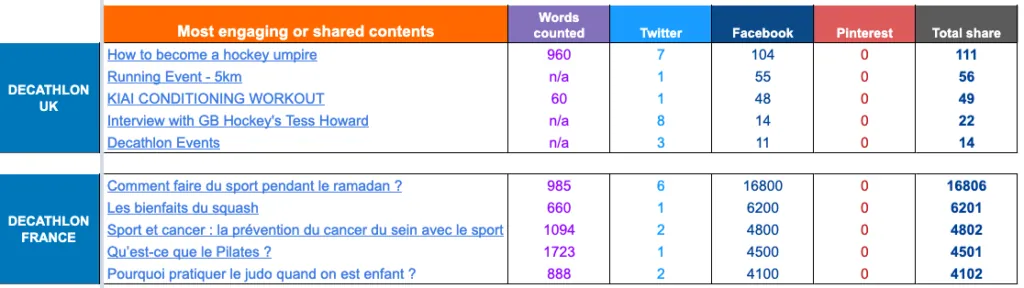
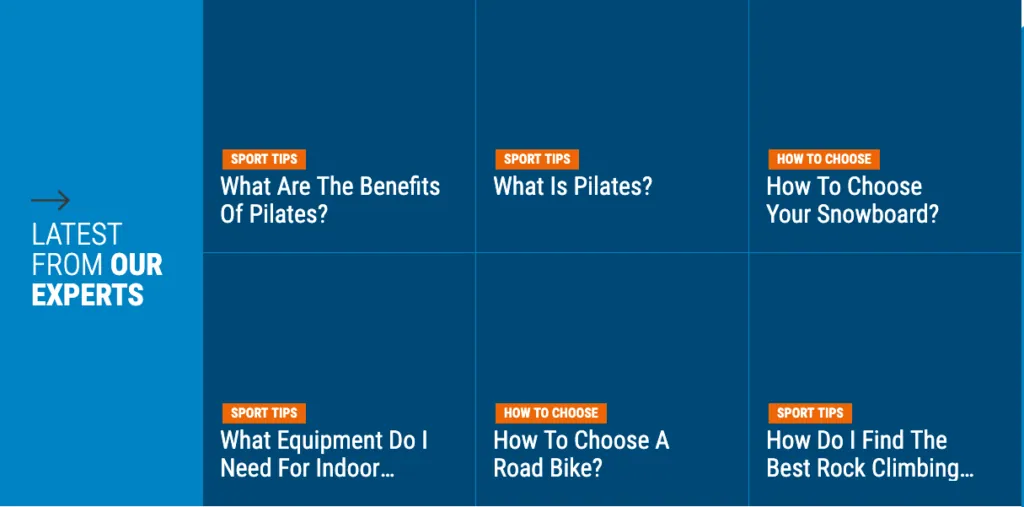
Strong on the technical side, weak on the blog. Most posts are under 300 words with few images and internal links, and there’s a clear lack of structure — the most engaging piece got only 111 Facebook shares. There’s no obvious newsletter, no Facebook pixel, and a reliance on a single channel.
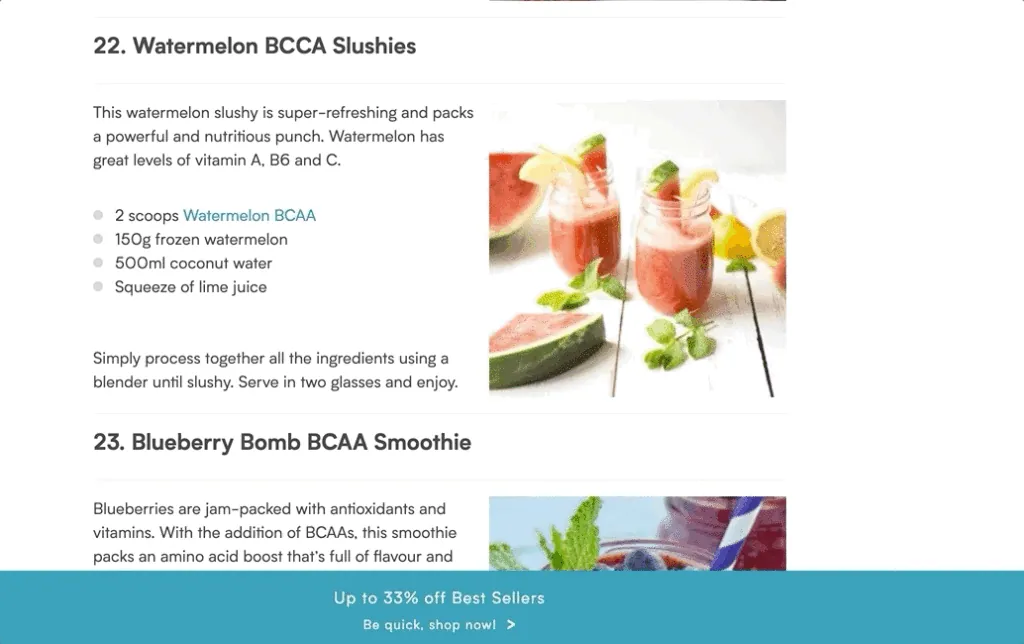
Quick tip: create high buyer-intent articles and add your products to the post.
Search engine advertising
Decathlon bids on 10,000+ keywords, hedging with Bing/Yahoo alongside Google Ads, focused on short-to-mid-tail terms (“riding boots”, “running jacket”).

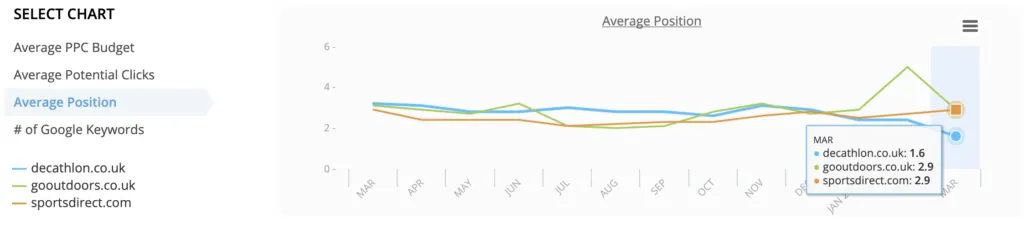
The competition is fierce — they fight Amazon’s huge budget for the top positions, and doubled their efforts at the end of January.
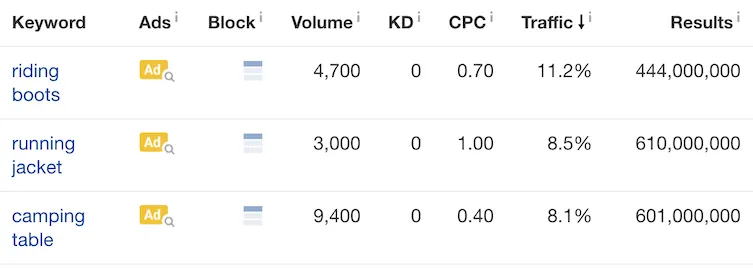
Quick tip: consider long-tail keywords for your PPC strategy.
Facebook advertising
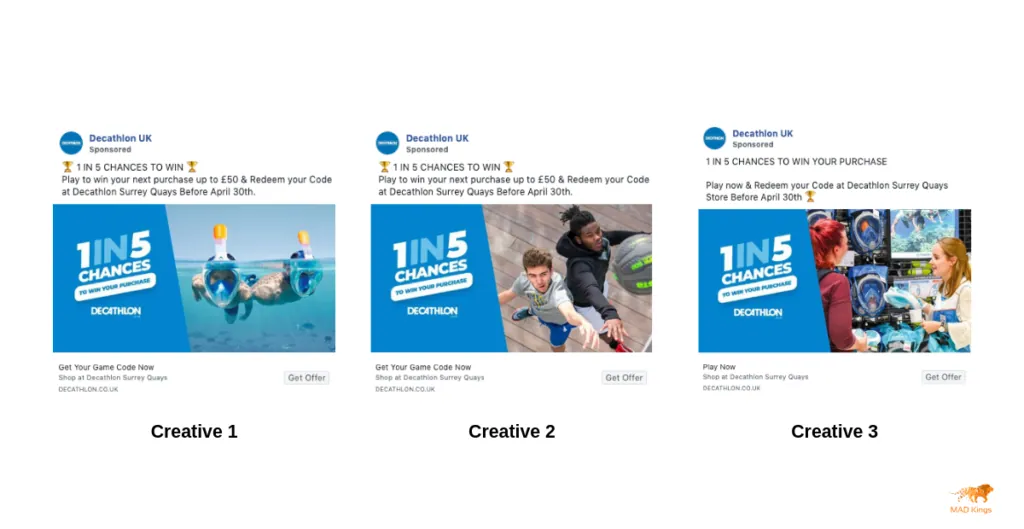
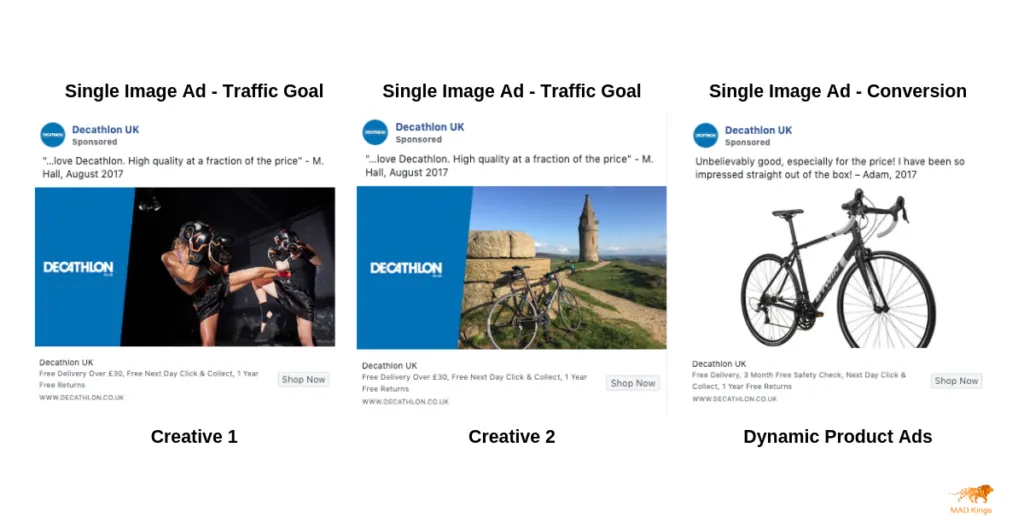
The UK team only uses single-image ads, testing copy and creative, with customer testimonials in the copy. One weak point: the CTA redirects to the homepage instead of the product page.
For retargeting they upload their product catalogue and run dynamic product ads — highly targeted and effective. By contrast, SportsDirect tests more placements and creatives, including carousel and video ads via Instagram Stories.
Social media
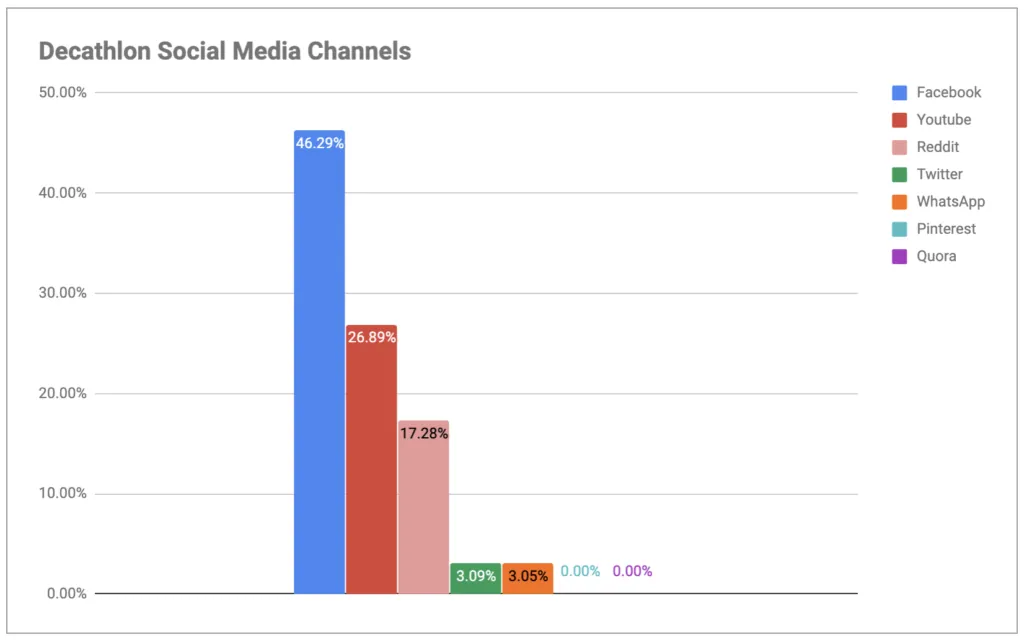
Social is only 2% of acquisition. Facebook and YouTube lead, followed by Reddit — where customers go to ask for advice (Decathlon has its own subreddit).
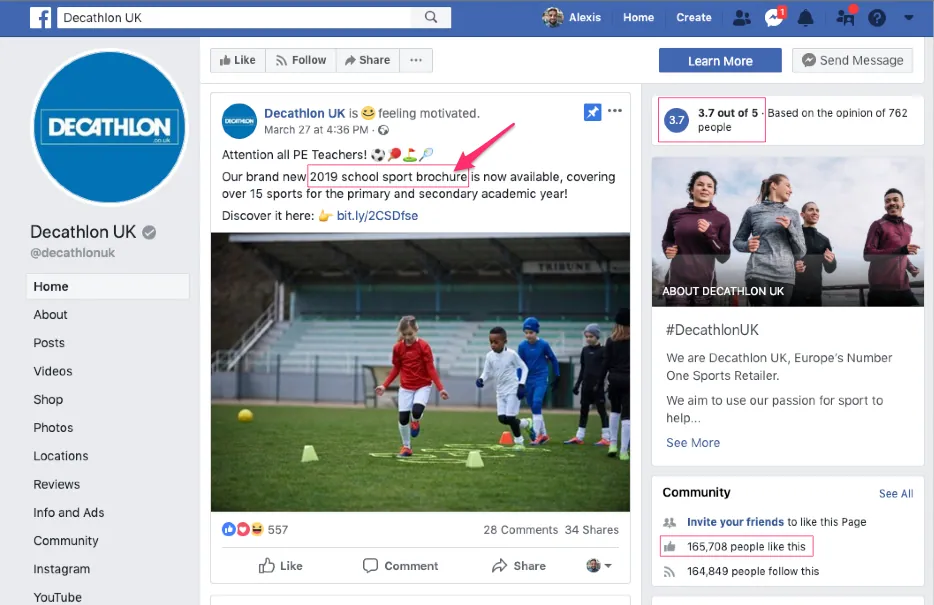
Facebook — a unique page per location; 160k followers, ~1 post/week mixing images and native video — but they take ~20 hours on average to answer a user post.
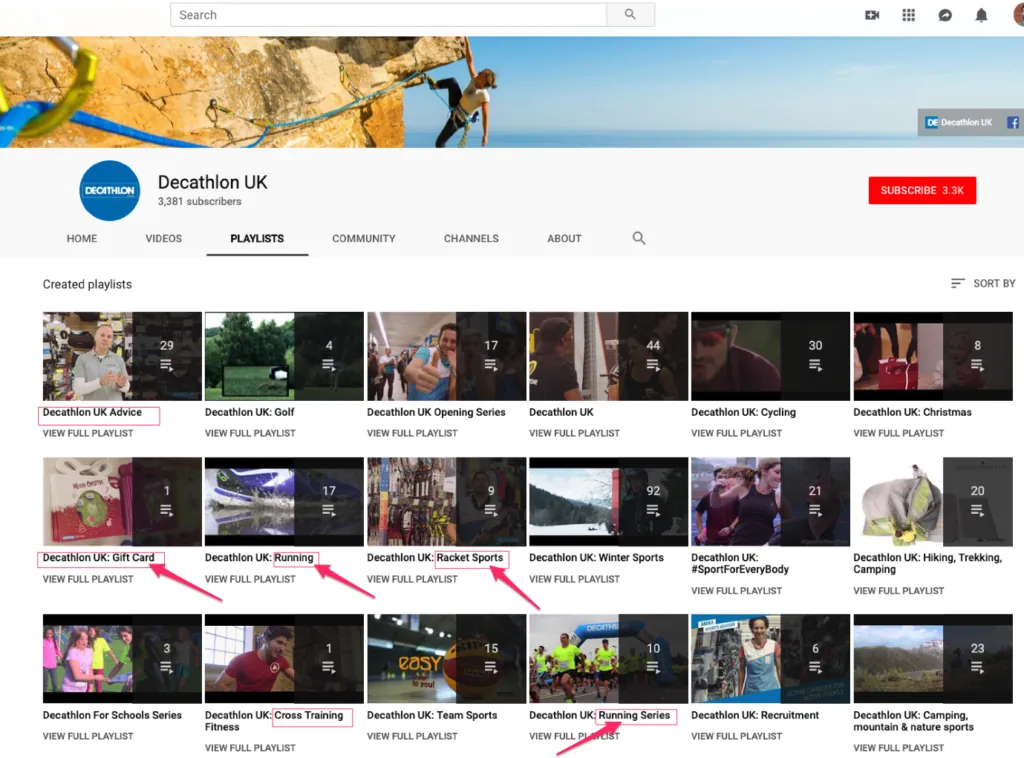
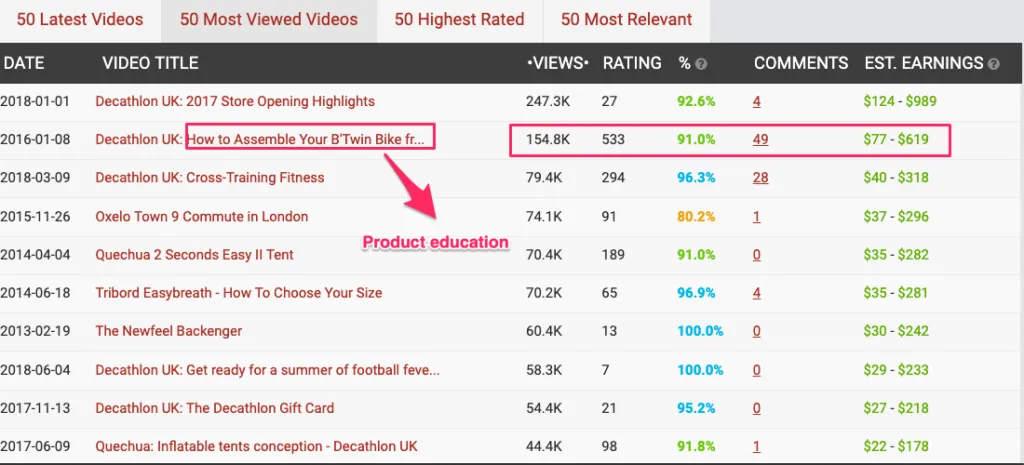
YouTube — only 3K followers, small for a brand this size, with no active push to grow it. Content is well-tagged for SEO, and the top videos could become blog articles.
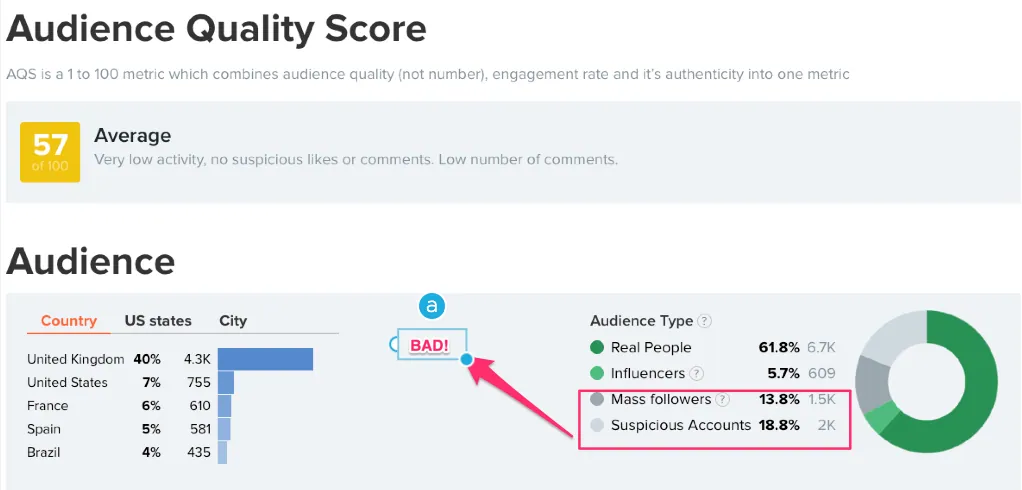
Instagram — clearly the weakest: ~102 likes and 2 comments per post, a 0.96% engagement rate, not promoted on-site.
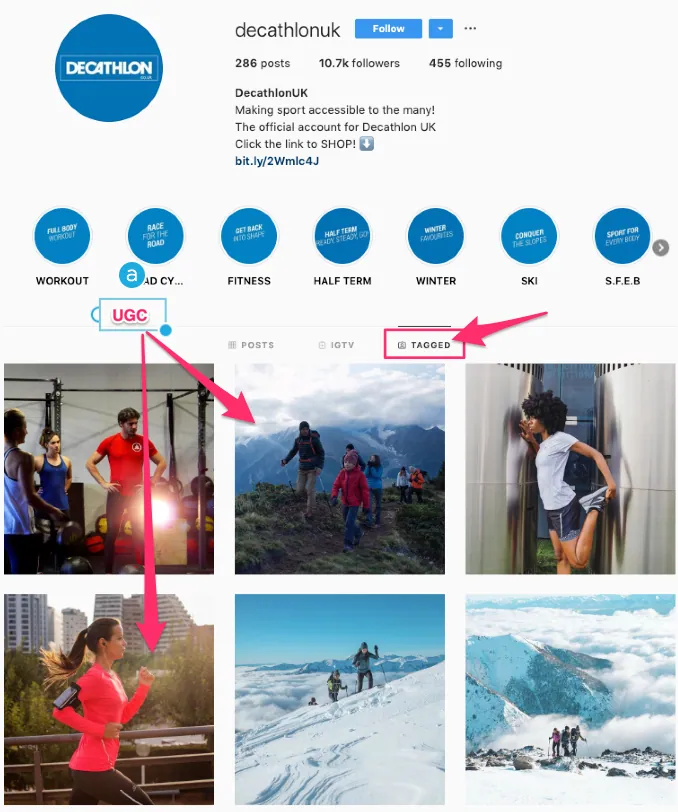
It’s a shame, because the tagged gallery shows high-quality UGC from real people ready to promote products for free. Quick win: lean into user-generated content.
Email marketing
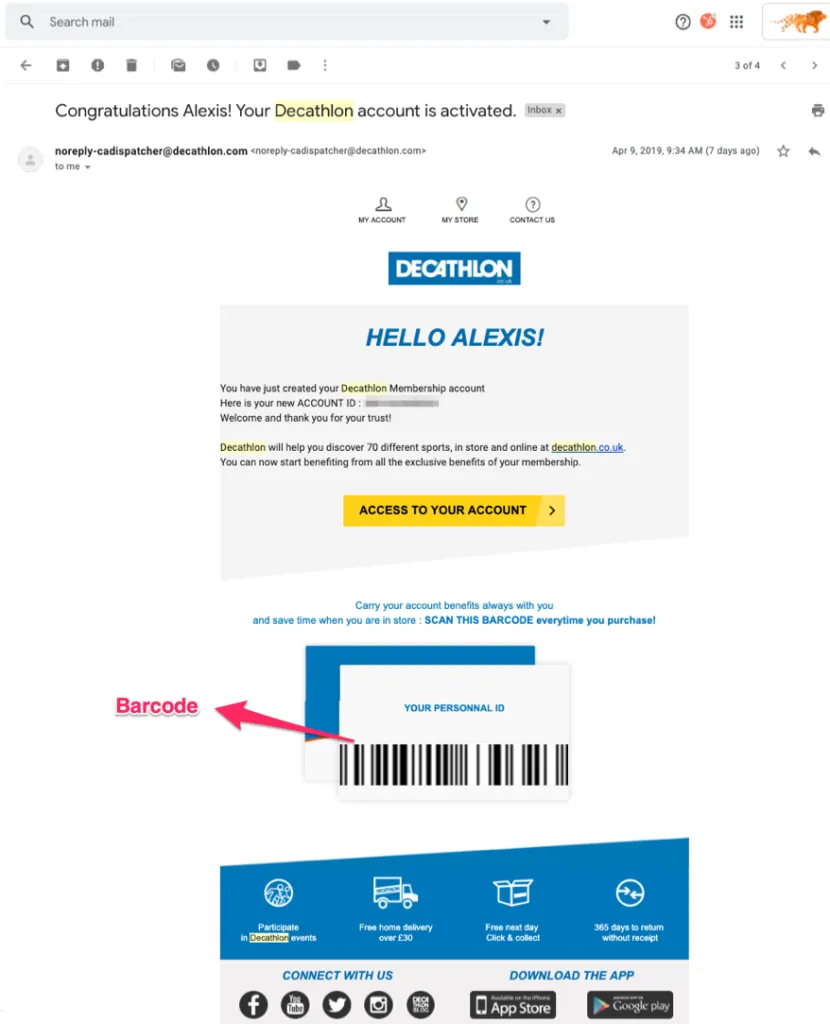
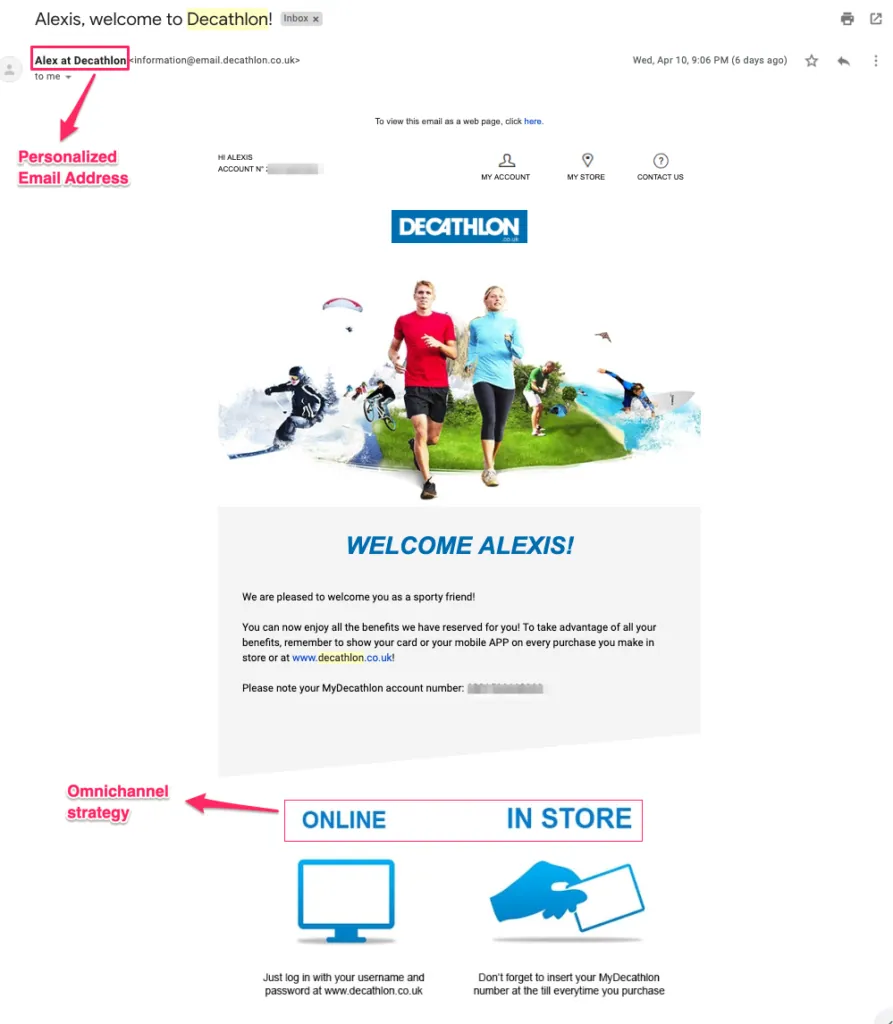
Decathlon UK runs at least seven dedicated drips. The emails are relatively clear, but the body message gets lost amid mismatched fonts. Their best-performing day is Monday, and the design leans mobile-first on sizing — though the personalised body copy should be optimised for mobile too.
Influencer marketing & partnerships
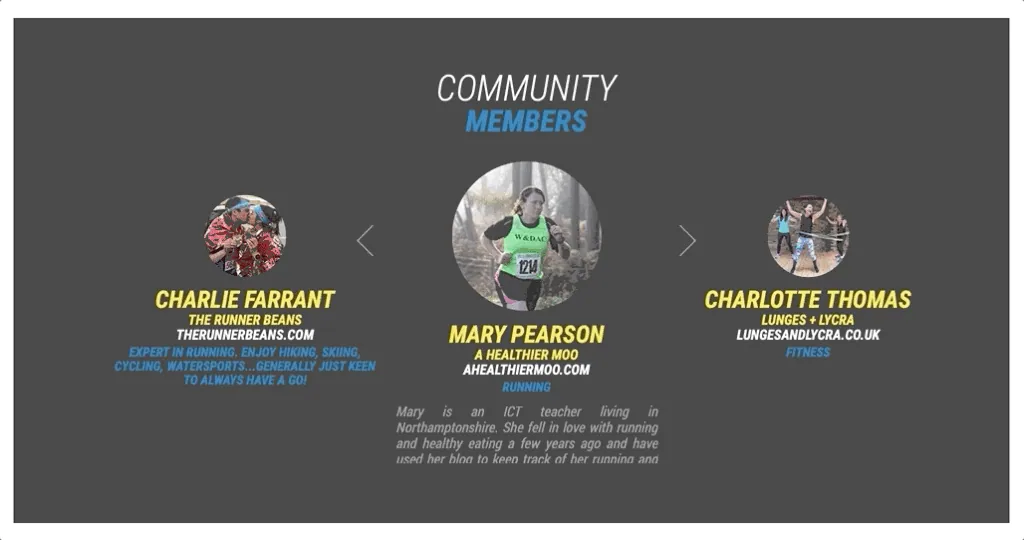
People buy from those who share their passion, struggle and goals — and Decathlon gets this, partnering with micro-influencers (expert bloggers across different sports) to reach as many people as possible.
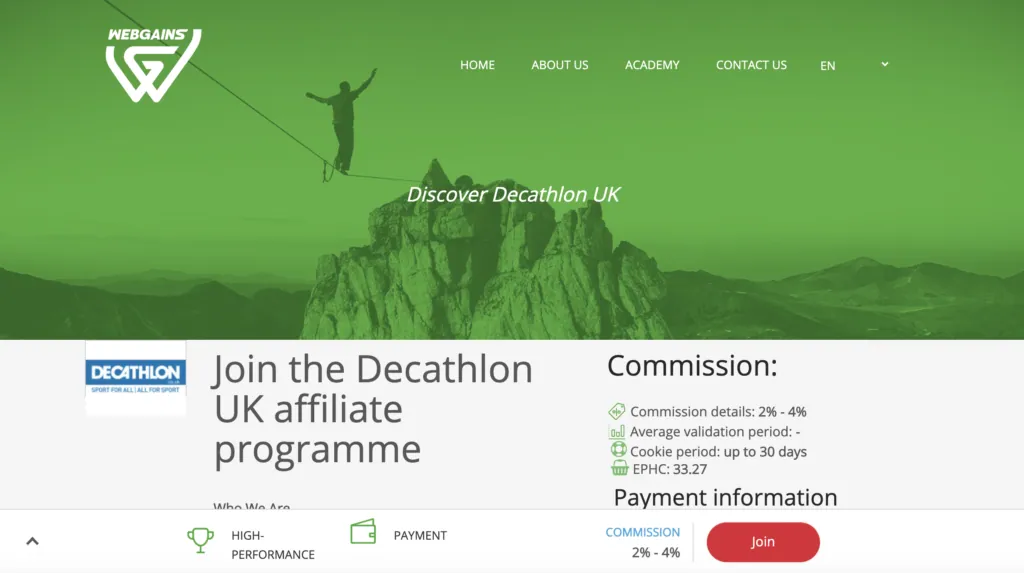
They also run an affiliate program (2–4% commission, access to 41,716 products) — though it’s selective and requires you to apply.
Website audit (CRO)
Run through Cialdini’s six principles of influence, here’s how Decathlon scores.
Reciprocity and engagement — missing entirely. Nothing matches a “give first” mechanic (no email-for-discount) or a small-commitment ladder.

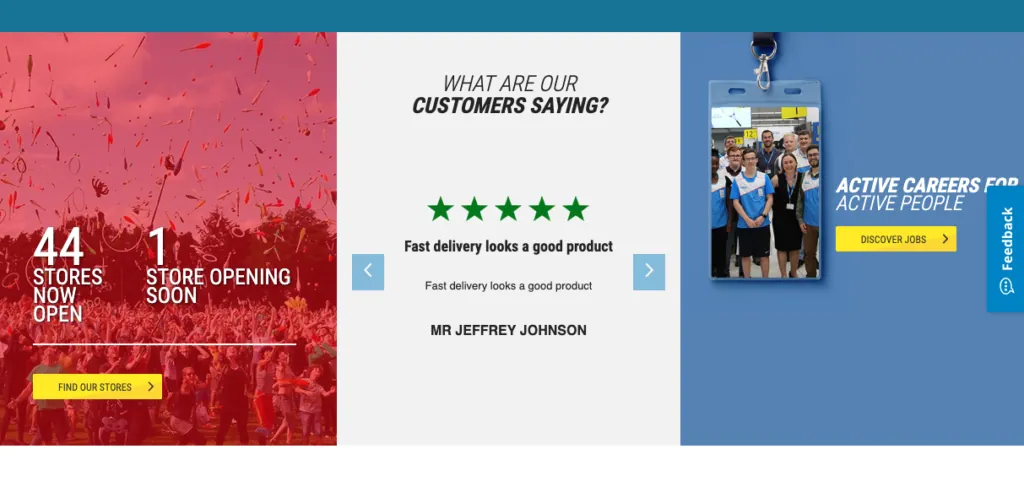
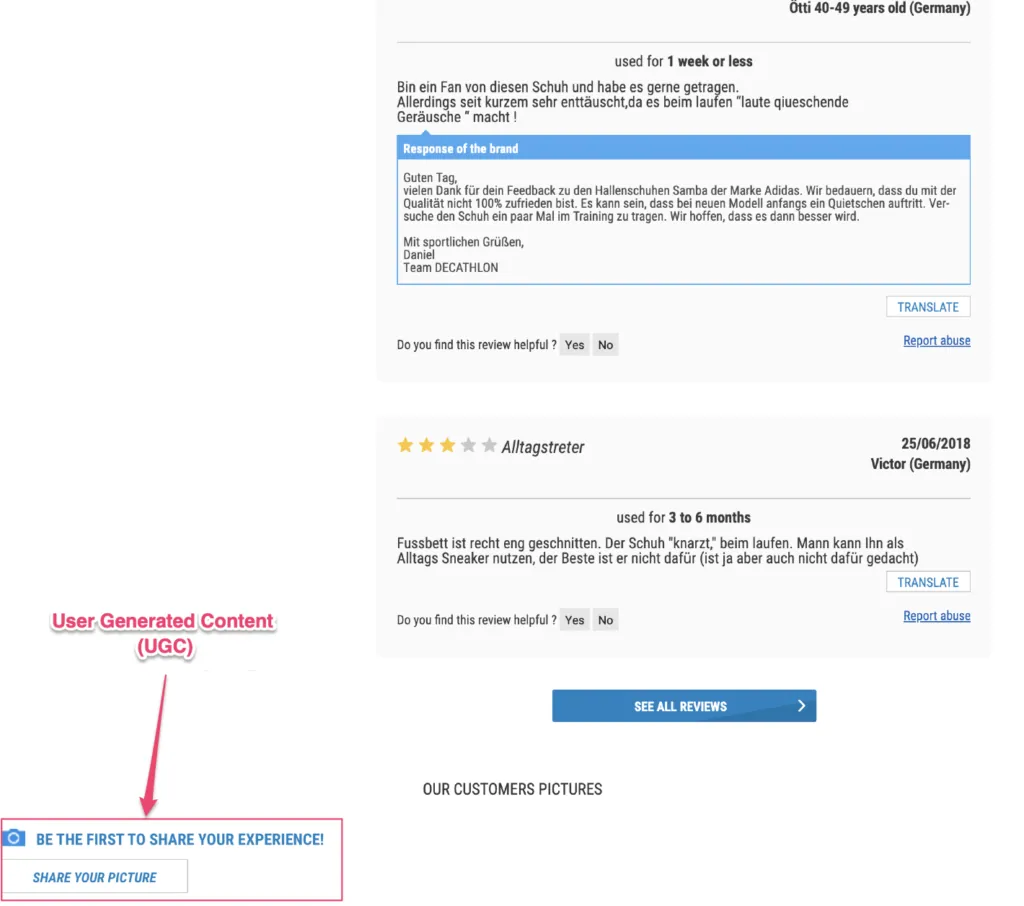
Social proof — present but buried. They use customer and team reviews on product pages, though the Trustpilot box on the homepage is small and easy to miss.
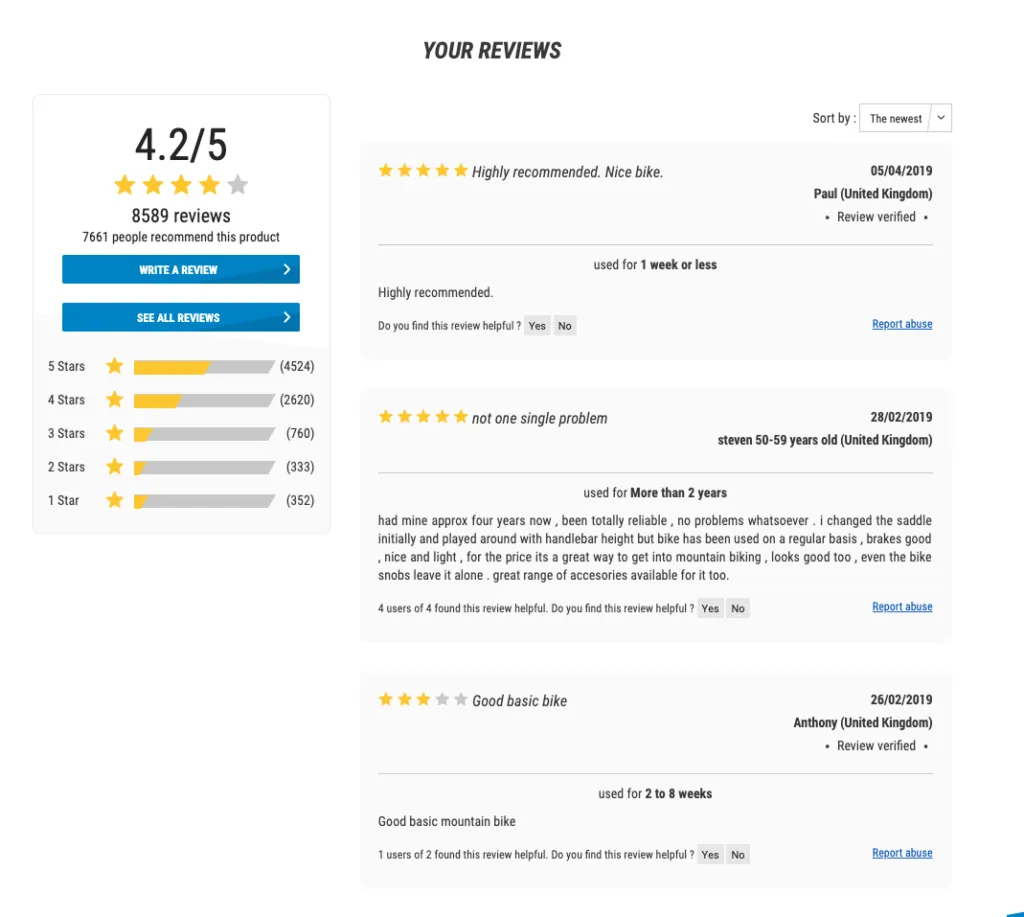
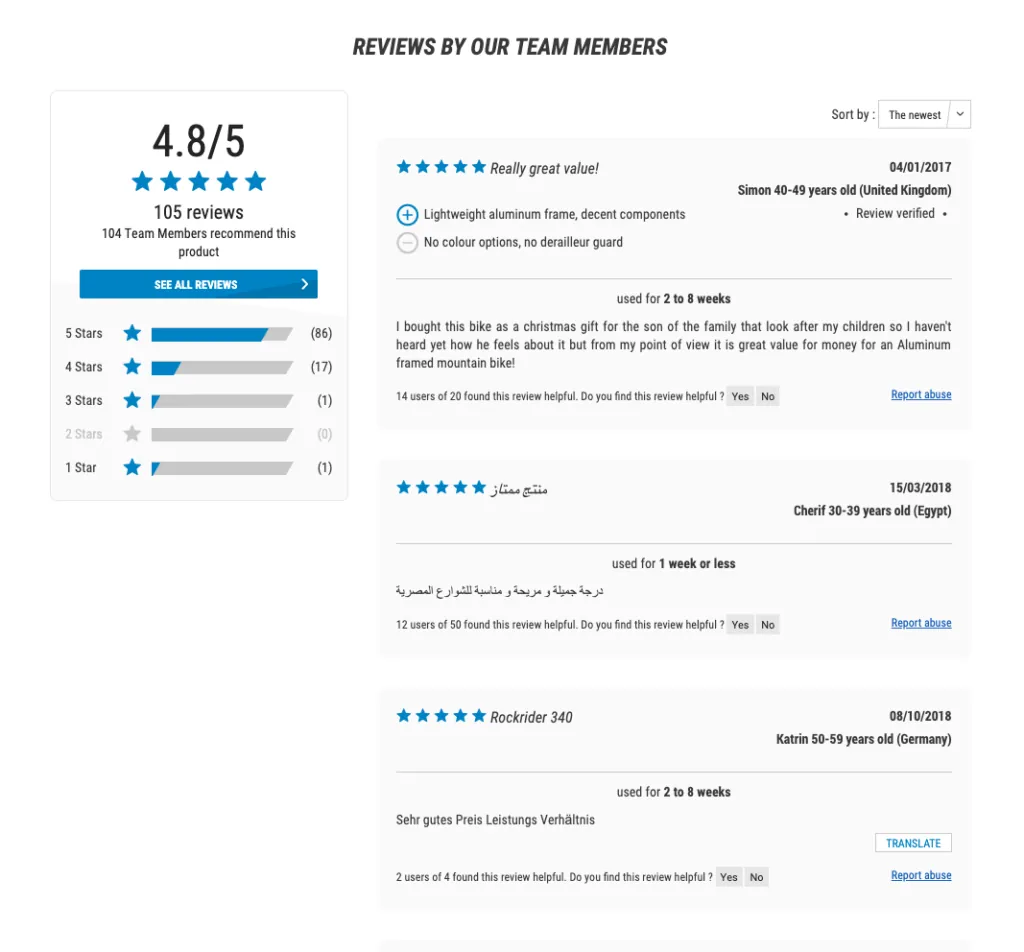
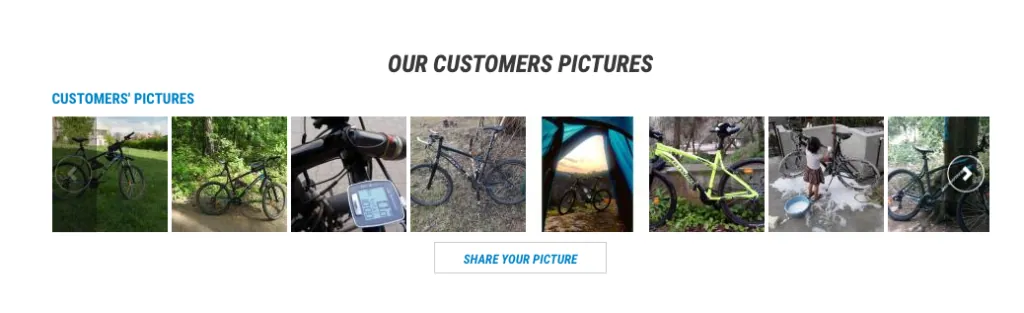
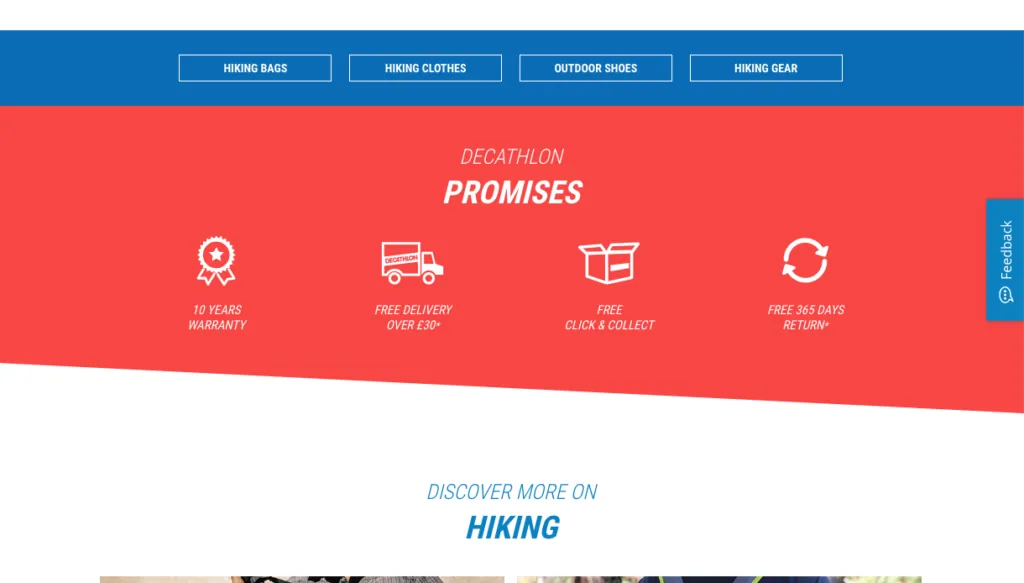
They let customers embed their own photos on-site (UGC), and present a “customer promise” on some category pages — but not on the homepage or product pages.
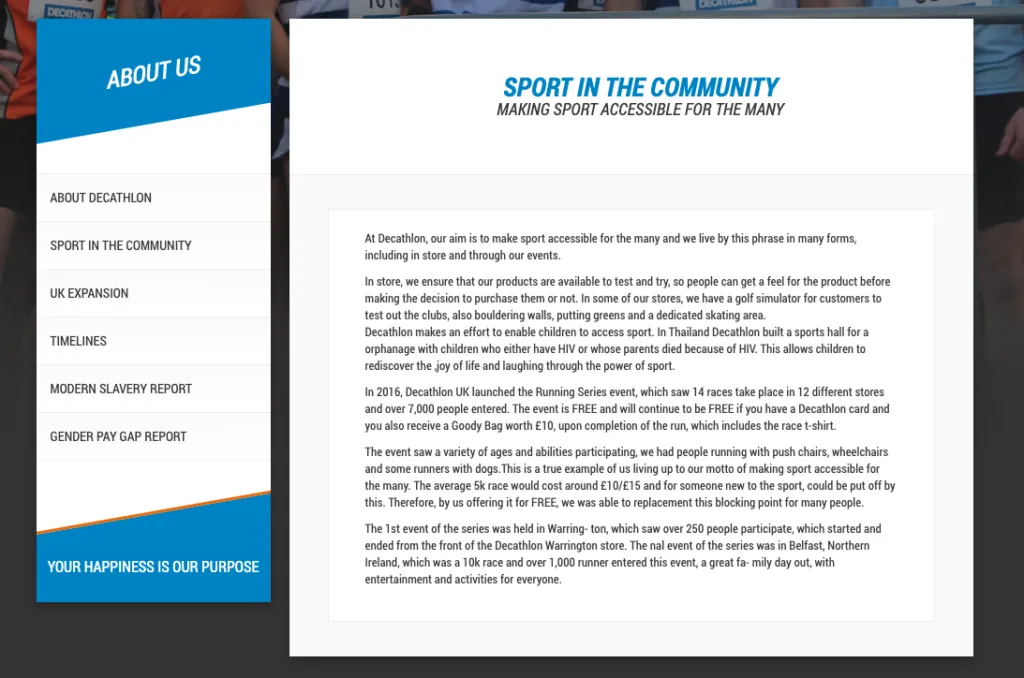
Liking — the “about” page could go further and showcase the team and their passion for sport.
Authority — handled well, via sports-fan staff and a lot of high-value content.
Scarcity — used often, except on the sale section’s product pages.
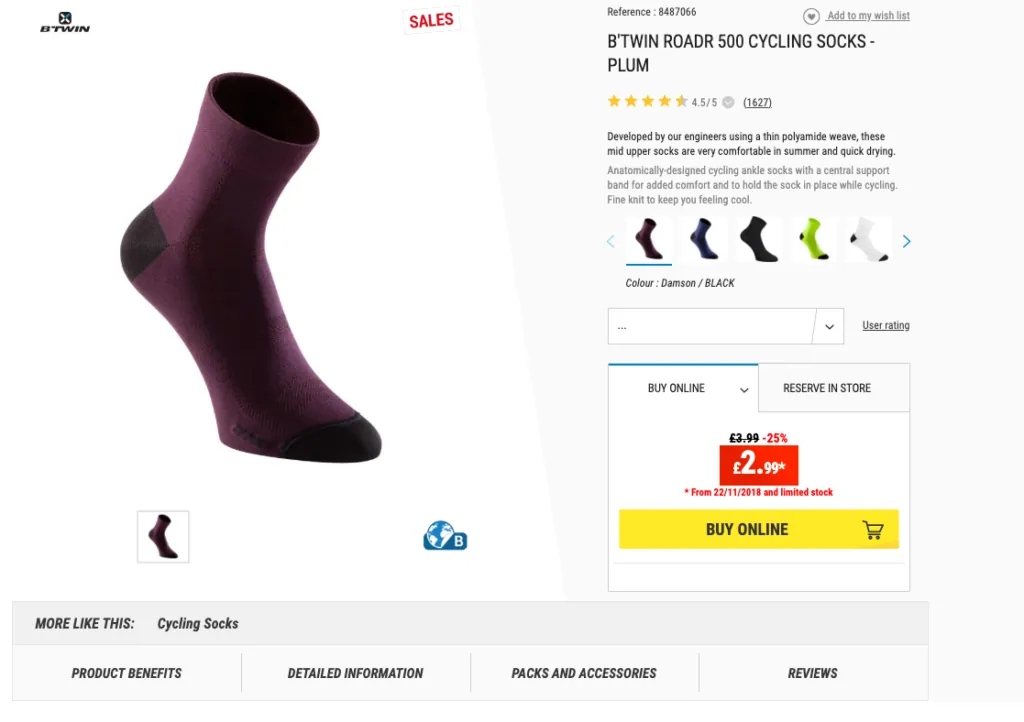
Product page analysis
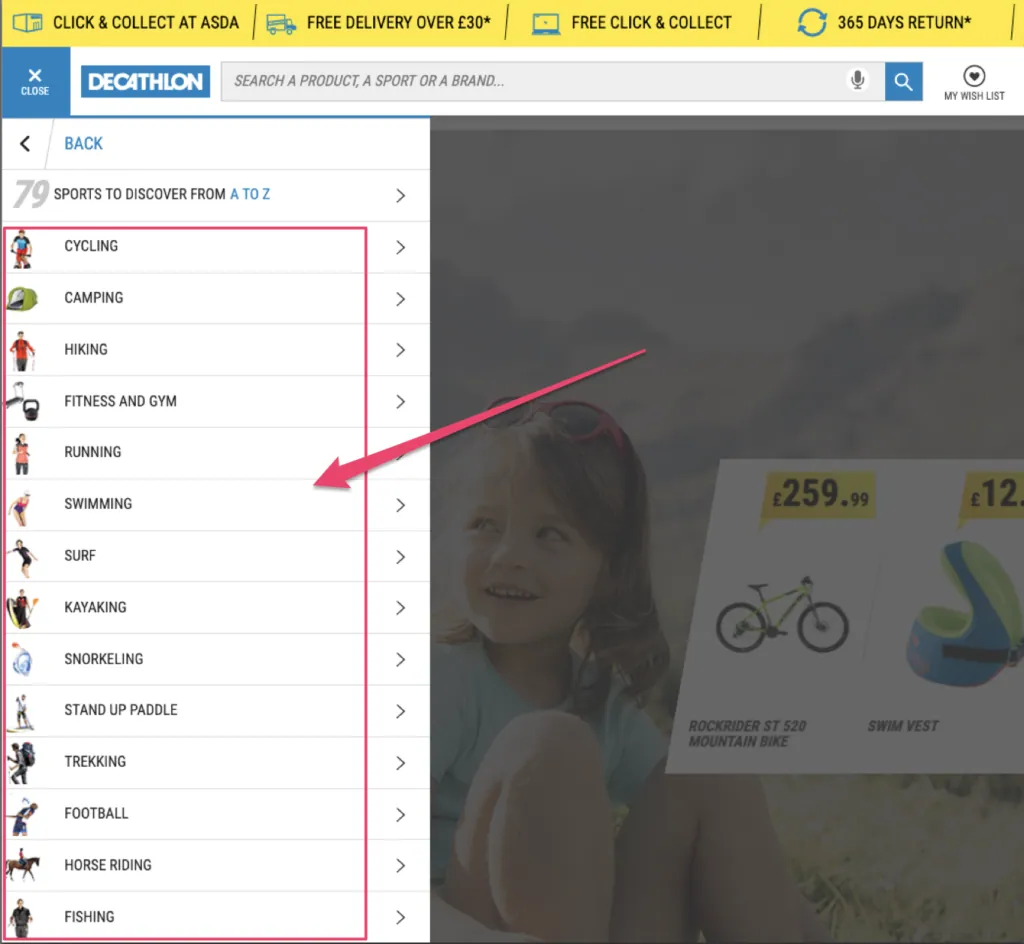
Product pages respect the “3 clicks rule.” The menu goes from a general list, to a list of all sports (79+, used as paid-search landing pages), to specific subcategories.
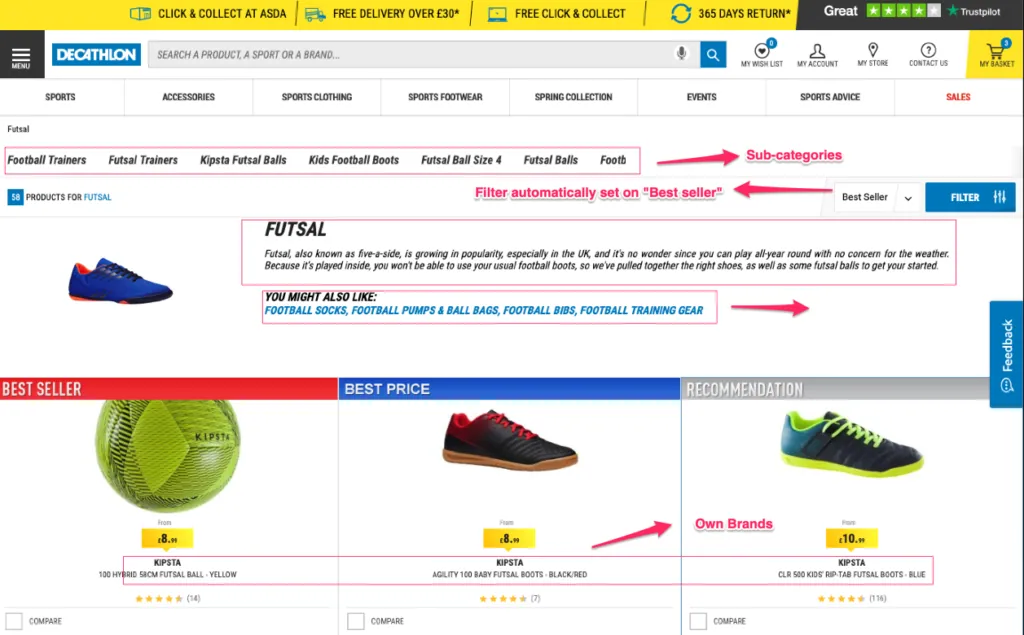
Decathlon always surfaces its own “passion brands” in the top results, and splits the results page into best-seller / best-price / recommendation — another layer of customer segmentation.
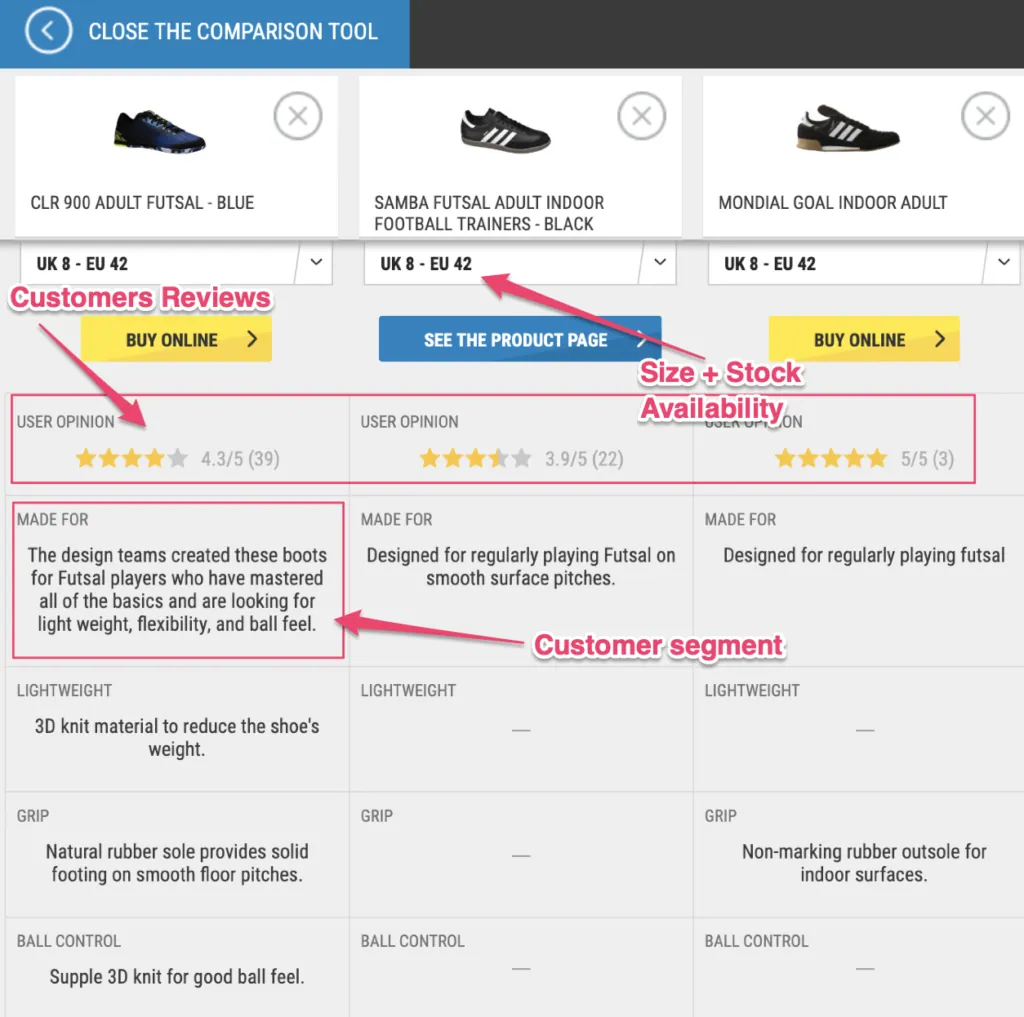
A comparison tool lets customers compare up to three products on details, reviews and availability — smart, because people compare across sites anyway.
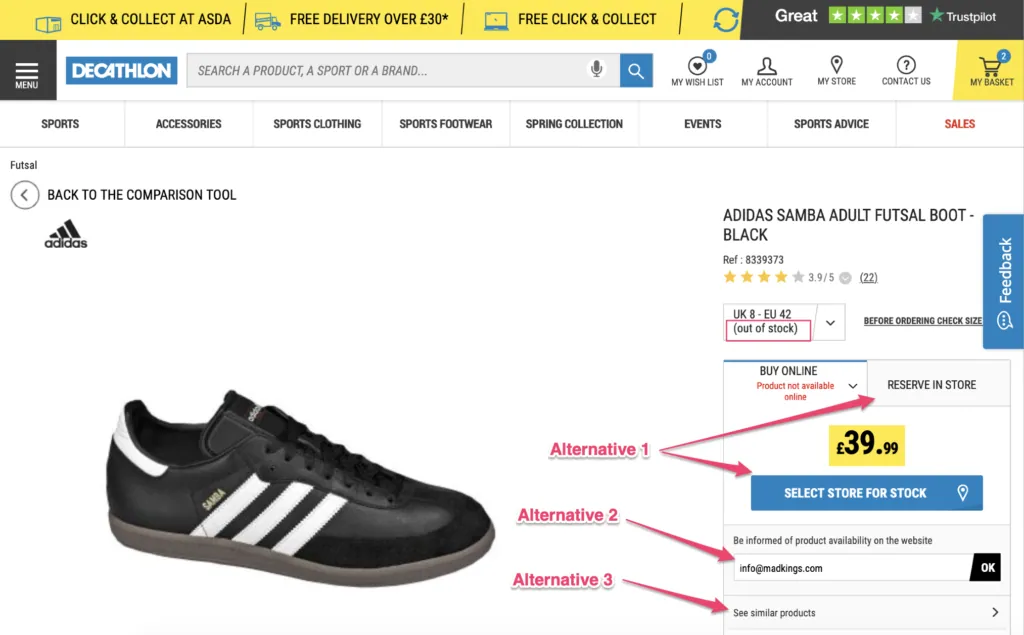
When a product is out of stock, they offer three alternatives — check store stock, email alert, or similar products — keeping people on-site instead of bouncing.
One missed opportunity: the “be the first to share your experience” review prompt was empty, which could otherwise drive a UGC growth loop.
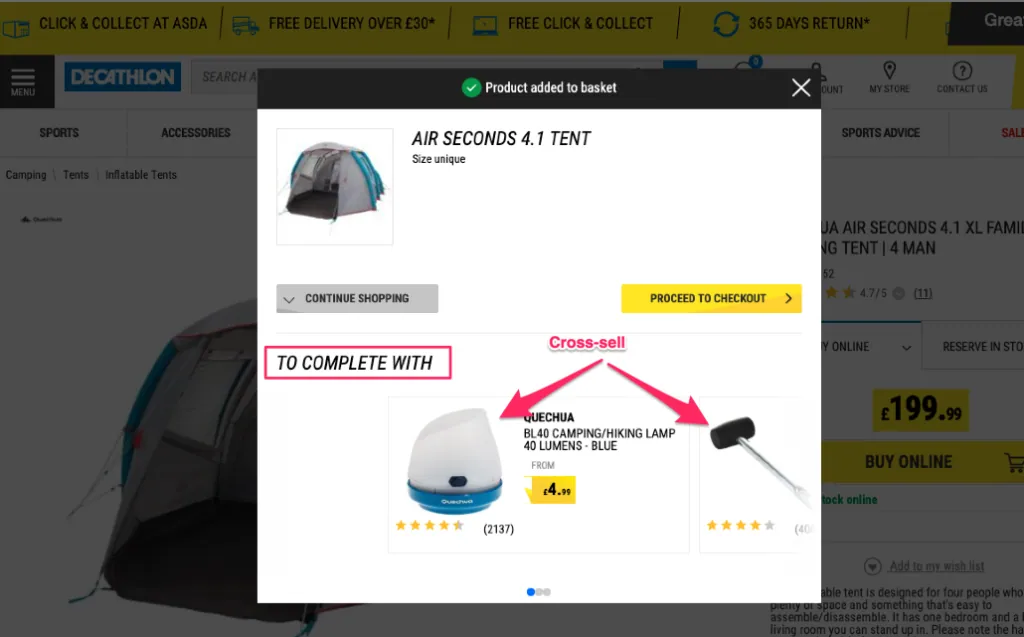
Checkout process
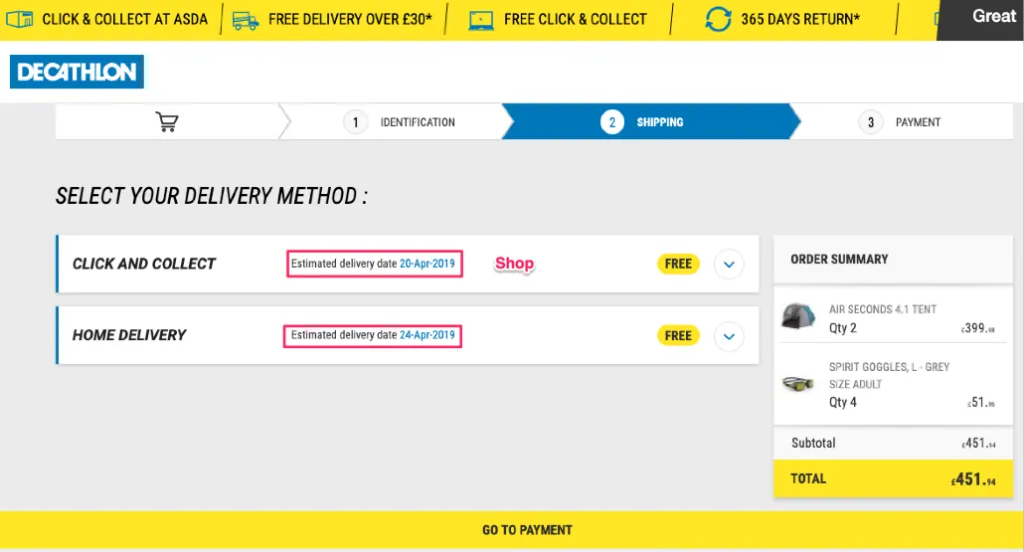
Pros: you know the steps in advance, each step is clear with highlighted CTAs, the UX writing is clean with no cognitive overload, you aren’t forced to set a password, and there’s a wide choice of delivery and pickup options.
Cons: account creation isn’t very user-friendly (they auto-create a membership even for what feels like a guest checkout), and phone number shouldn’t be a mandatory field nowadays.
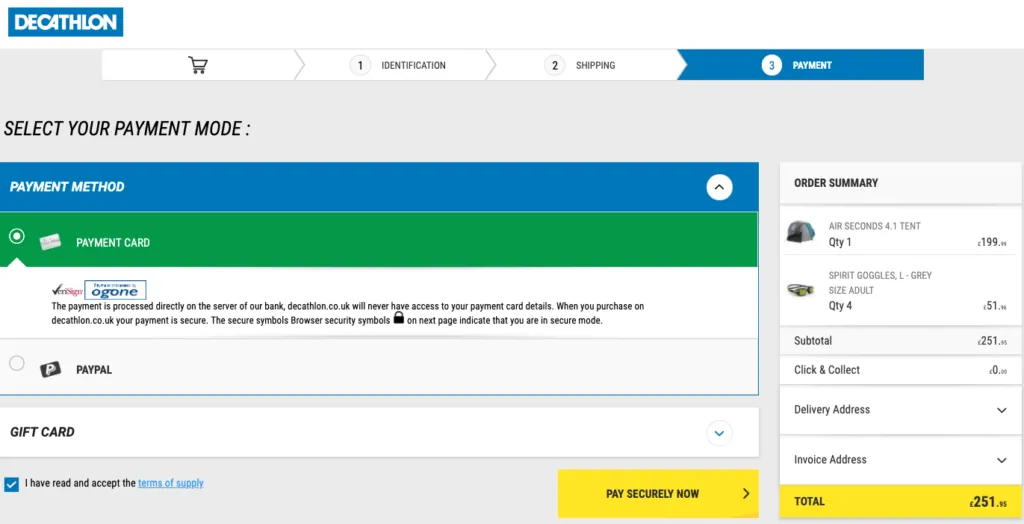
Payment runs via Ogone or PayPal.
User experience
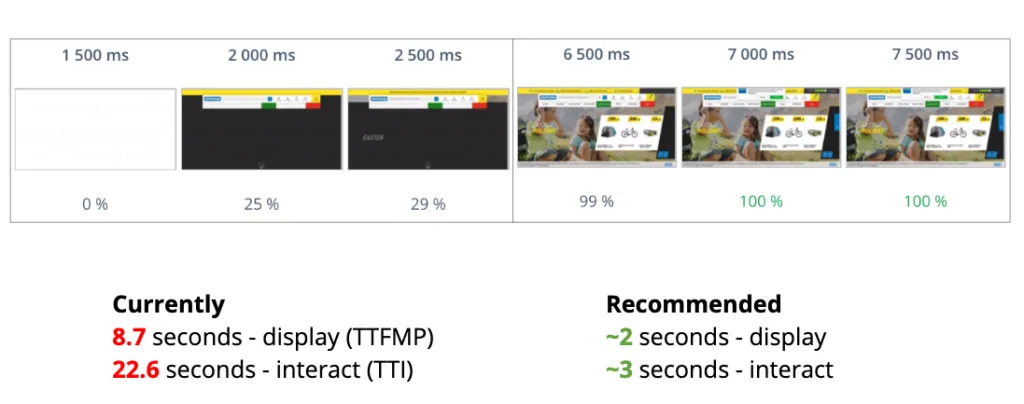
When buying online, people are impatient — and speed is a Google ranking factor. After auditing the UK site, the result surprised us: it takes almost 9 seconds to load. CSS and image sizes are the main culprits, and there’s a lot of room to improve on both desktop and mobile.
Revenue streams
Their value ladder runs from brand accessories (front end) to brand products like the B’Twin bicycle (core) to schools and businesses (back end) — but they don’t capture emails at the top (no bait).
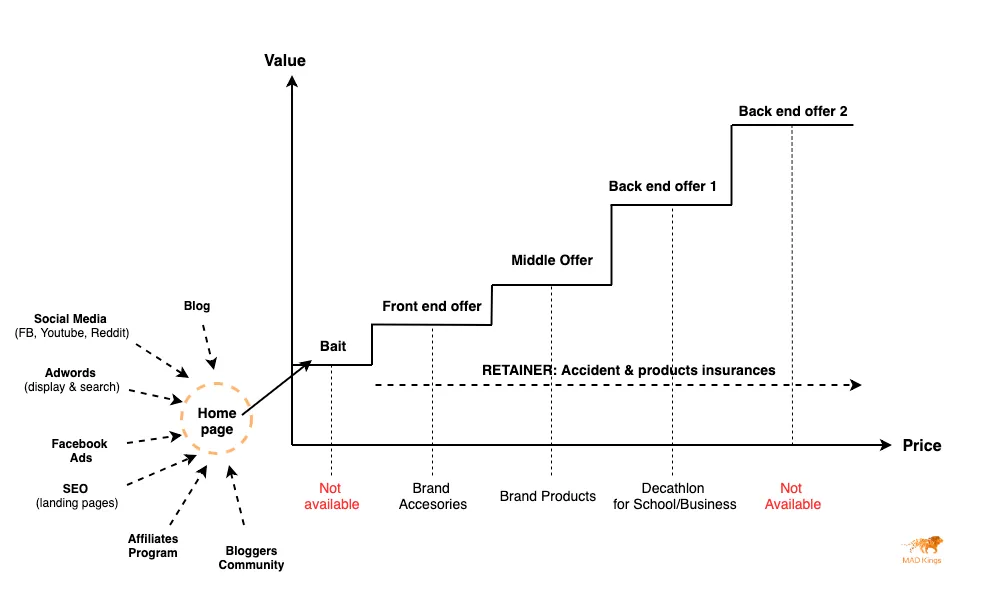
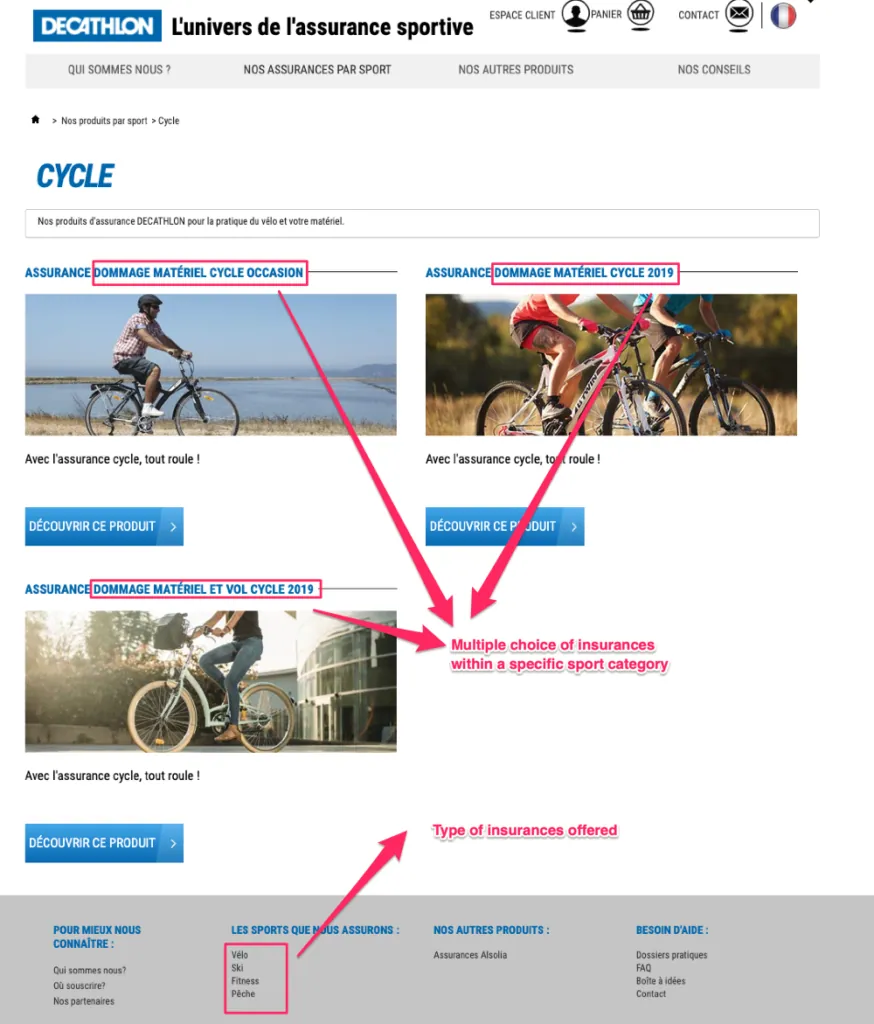
The monthly “retainer” (accident and product insurance, across four sports) only exists in France, not the UK — a missed opportunity.
Tools used by the marketing team
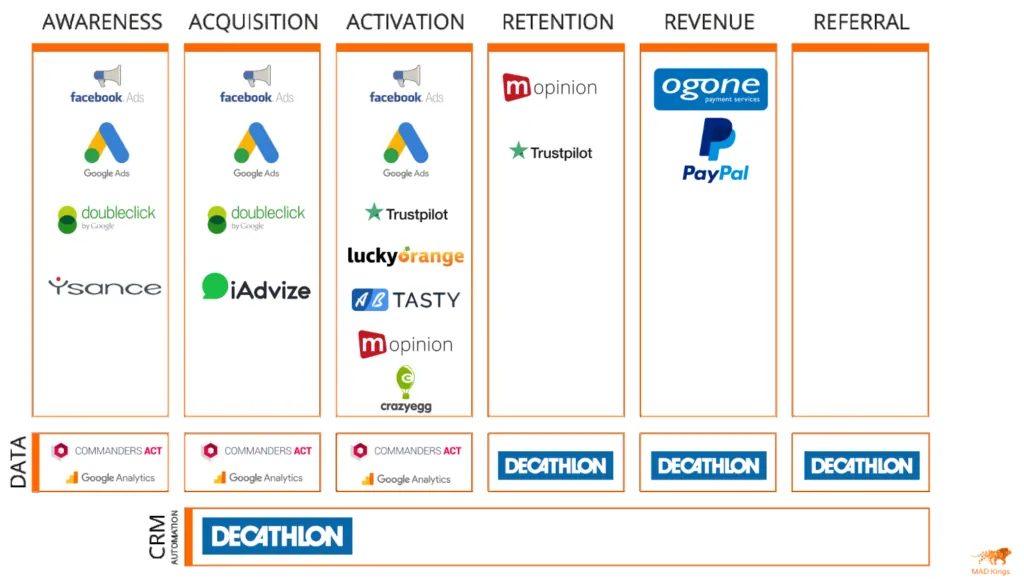
A toolstack should match your whole customer journey. Decathlon’s maps cleanly onto the funnel: ad networks for Awareness/Acquisition; Trustpilot, Lucky Orange, Crazyegg and A/B Tasty for Activation; Mopinion + Trustpilot for Retention; Ogone + PayPal for Revenue. Awareness, Acquisition and Activation are measured by Google Analytics and CommandersAct. We saw no Referral tooling at all.
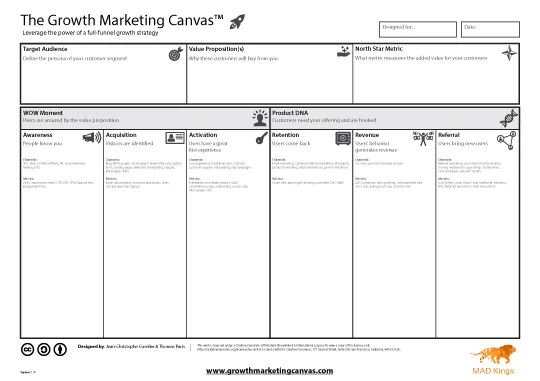
Mapped onto the Growth Marketing Canvas
Conclusion
There’s no mystery behind Decathlon’s growth story — it comes back to one thing: a great product. A local focus, their own brands, and innovative products built from customer feedback.
But while they’ve mastered the offline strategy, there’s significant opportunity to grow the e-commerce business online. The key is to optimise the full funnel. Too often, companies limit their strategy to acquisition — when the real growth opportunity lies in the post-purchase process.
Want this treatment on your own funnel? A GTM Audit is the Decathlon teardown, but for you — with your data.