From the archive · 2018
The Difference Between Growth Marketing and Digital Marketing — and how that became GTM
From the archive — written in 2018, still true.
The main difference between growth marketing and digital marketing lies in the obsession growth marketers have for optimising the customer experience all along the full customer journey.
Growth teams use the AAARRR framework to describe and optimise each step of the conversion funnel, always with regard to one key metric at a time. Think of your business as a bucket and your leads as water: if you pour water into a leaky bucket, you waste a lot of money. That’s why growth teams care so deeply about retention.

Remember the old 4 P’s of marketing? Product is one of them. The challenge for marketers promoting digital products is that they lose control over the product experience. After leads land on the page (Awareness) and sign up (Acquisition), the rest of the experience is usually handed to the product team — developers and designers in charge of the first experience (Activation), the return visits (Retention), and eventually payment (Revenue). The last step, Referral, is usually underrated — often just organic word-of-mouth — when it’s actually key to creating viral loops and increasing customer lifetime value (CLV).
The solution isn’t to hand power back to marketers — it’s to involve them in product development and optimisation. That’s why the growth methodology breaks down silos with growth teams: technical marketers, UX/UI designers, full-stack developers and data analysts who analyse the entire customer journey to find bottlenecks, then run data-driven experiments to move a predefined business metric.

To achieve long-term, sustainable growth, these teams focus on delivering delightful, personalised experiences at scale — running a continuous loop: analyse, ideate, prioritise, define, execute, against a single North Star metric.
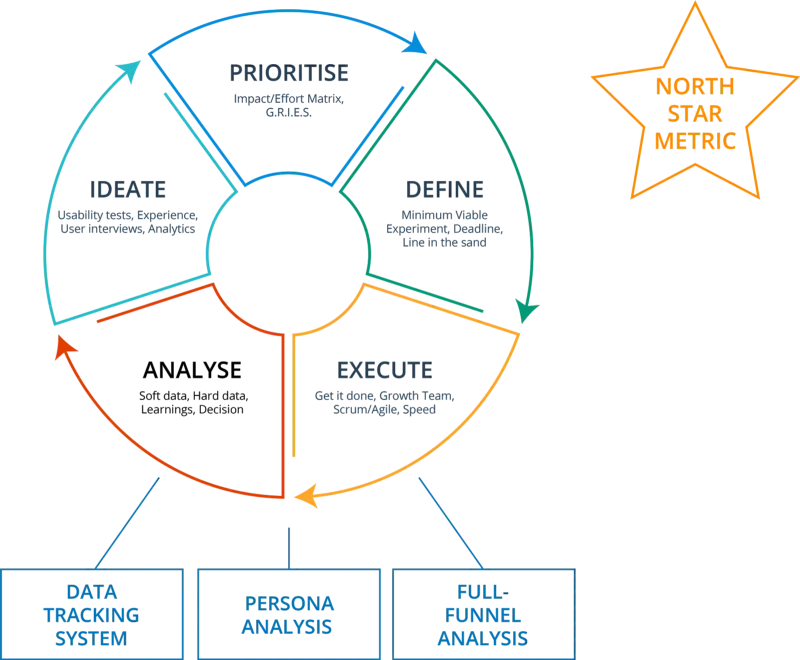
Digital marketers are being replaced by data-driven — technical — marketers who dive deep into the analytics to find the holes in the funnel and test creative solutions to find a predictable, repeatable, scalable growth process.
A note from 2026: this is the argument we still make about “GTM.” The label changed from “growth marketing” to “GTM.” The discipline — full-funnel, technical, measured — didn’t.
Case — FormyFit
FormyFit is a mobile app that helps users hit their running goals with a customised training plan based on personal information and an endurance test.

After analysing the data, we found FormyFit’s biggest bottleneck was activation — the point where users have a great first experience and hit the “wow” moment. The data showed that users who completed the endurance test were far more likely to become active: after taking the test, they get their customised plan and understand how FormyFit differs from other running apps.
1. Activation — deliver a successful first experience
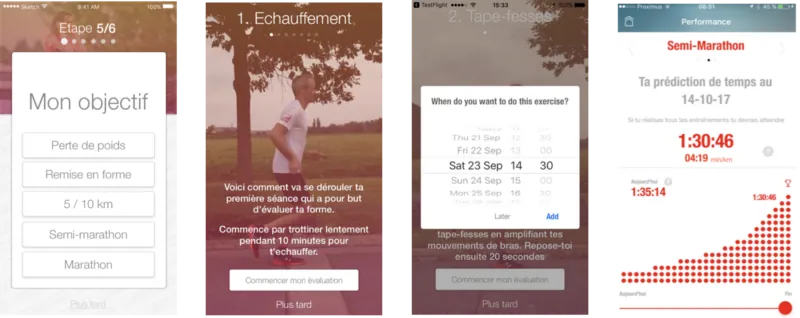
Only 5% of users who finished onboarding completed that key step, so activation became our primary focus. We interviewed customers and ran qualitative surveys, and the answer became obvious: FormyFit asked users to take the endurance test right after onboarding — right after downloading the app. But who’s ready for a run the moment they download an app? Users were on the tube, on the couch, anywhere but a track.
So we changed the onboarding to ask users when they’d be willing to take their endurance test, then ran event-based retargeting through email and Facebook to remind and motivate them.
The retargeting wasn’t a one-off campaign — it was a system of event-based sequences, each triggered by where the user dropped off, all pointing back to a deep link into the app.
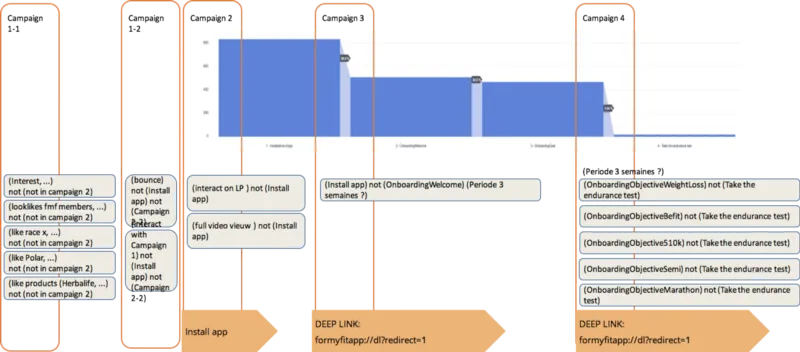
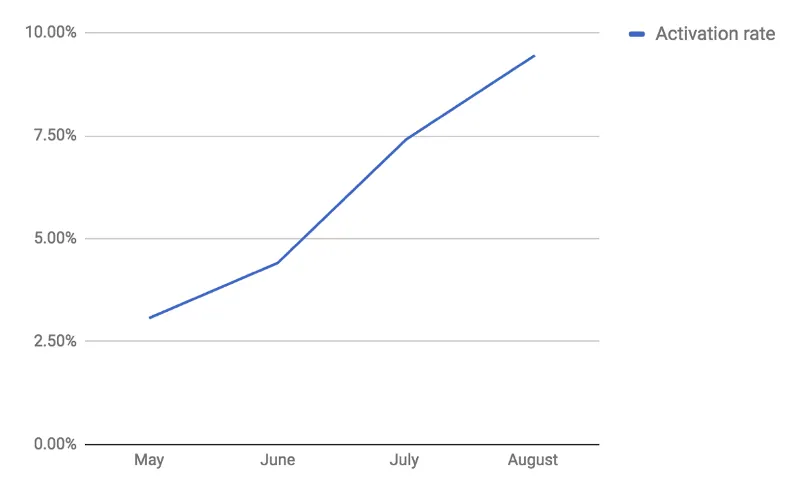
The result: activation climbed from roughly 3% to nearly 10% over four months.
Then we moved to awareness and acquisition. Remember — always improve the full funnel, one metric at a time.
2. Awareness — drive traffic and brand recognition
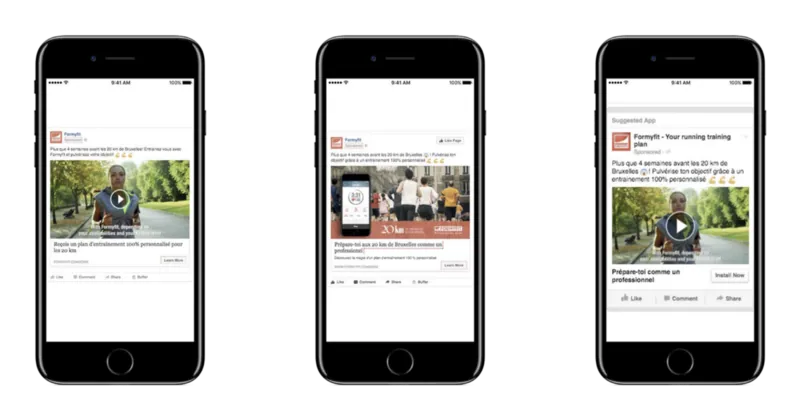
After many tests across channels, visuals and copy, we found our winning Facebook ads. The key was targeting major running races across the world and adapting copy, visuals and audiences accordingly. Racers used the app to get a personal coach for a tenth of the normal price — and kept using it after the race.
3. Acquisition — identify leads and start the conversation
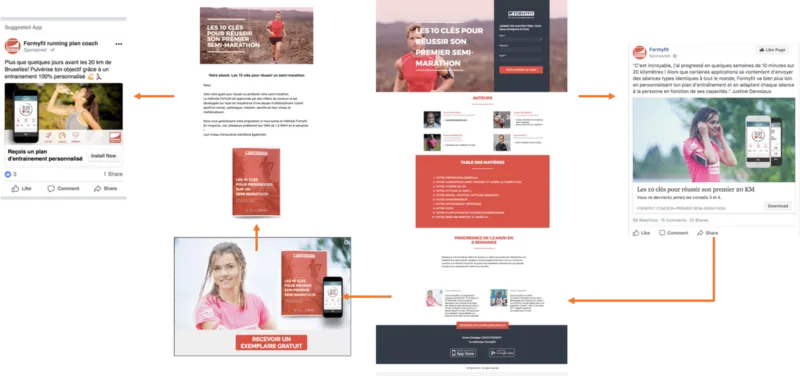
Acquisition is the first — non-financial — transaction between a lead and a brand: the lead gives away some personal information (and the right to be contacted) in exchange for value, such as a high-value piece of content.
The first touchpoint should always be about giving value. So we created a whitebook of the 10 best tips to train for a half marathon. We built trust by giving away relevant content for free, and we collected qualified leads. The key is to build systems, not campaigns — once the system is in place, it replicates for the 5 km, 10 km and marathon.
4. Retention — create a habit
As Nir Eyal explained in Hooked, if you want to improve retention, you have to create a habit. External triggers must connect to internal triggers — usually negative emotions, in this case “feeling unfit.” As people feel that more often, it creates an opening to send external triggers (push notifications, emails) that bring users back.
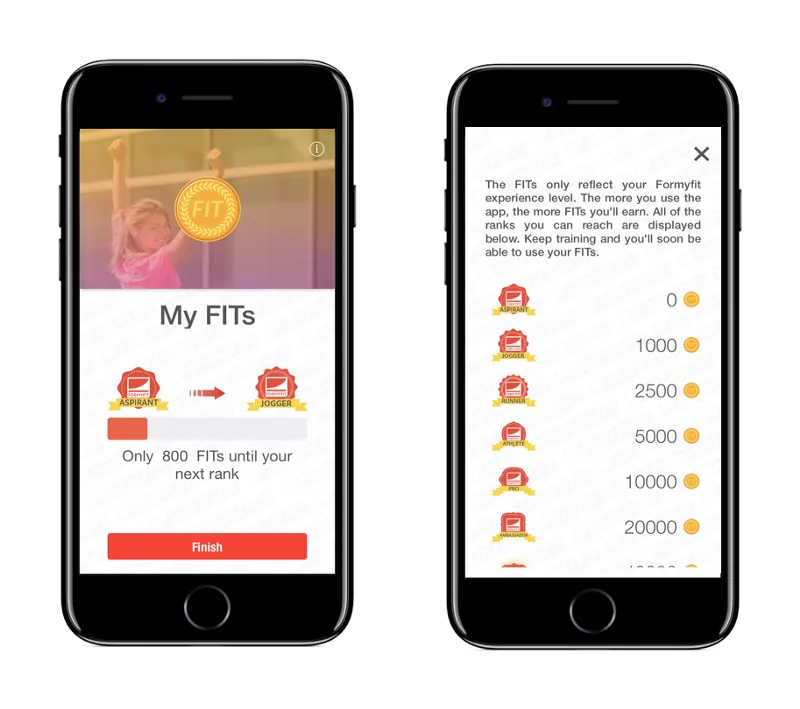
Another lever is gamification, borrowed from the gaming industry. FormyFit users earn “fits”; after enough fits, they unlock ranks like jogger, runner or athlete.
5. Revenue — decrease your CAC and increase your CLV
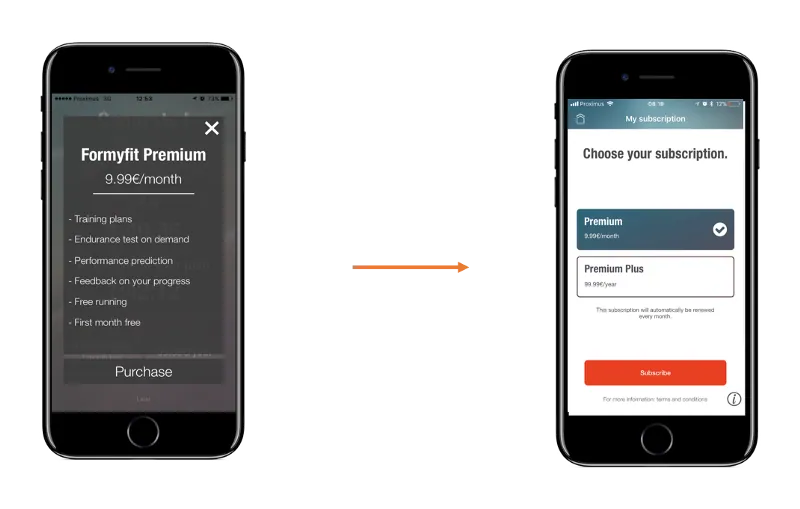
At this stage, users go through checkout and are later incentivised to buy a more advanced version (up-sell) or related products (cross-sell). It comes down to nailing the pricing strategy, reviewing the checkout UX, offering your customers’ preferred payment methods, and understanding when users are psychologically ready to buy.
6. Referral — turn loyal customers into ambassadors
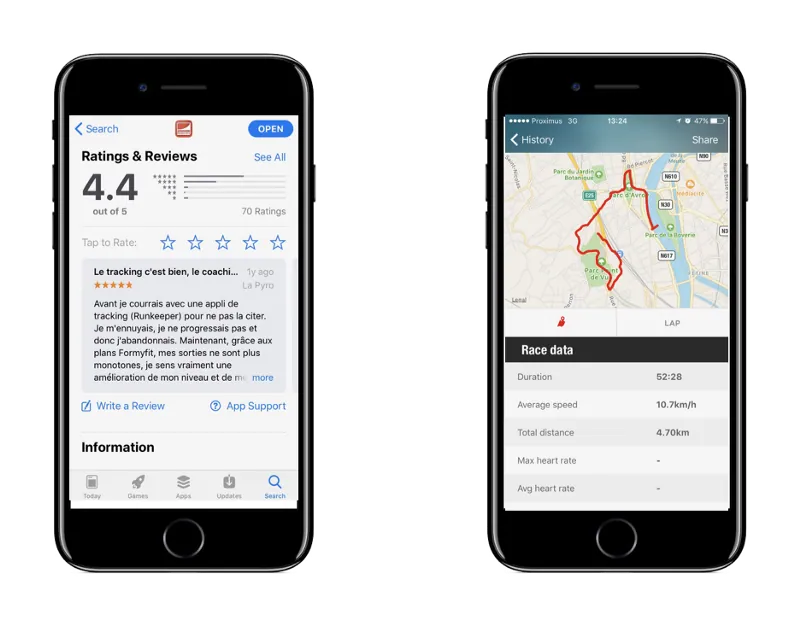
The goal is to get happy customers to recommend the product, creating viral loops, increasing CLV, and letting you afford a higher CAC to reach new audiences. In the mobile-app world, a 4.0–4.8 star rating is the sweet spot — below 4 or above 4.8 and people stop trusting it.
The key is knowing when to ask. After lots of testing, we found the perfect moment was after the endurance test and three runs — exactly when users unlocked their first badge and started experiencing improvements.
Results
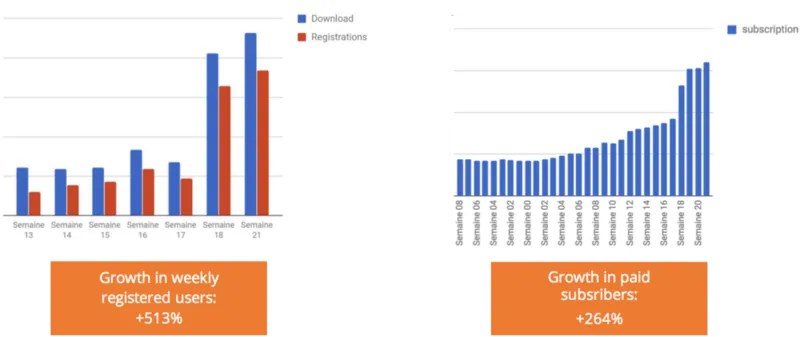
Without a full-funnel understanding of the customer journey, we’d never have seen the huge activation bottleneck, and we’d have wasted a fortune on advertising — the cost of acquisition would have been ten times the lifetime value, and the business would never have been viable. Instead, fixing the funnel one metric at a time produced +513% weekly registered users and +264% paid subscribers.
You can only achieve growth by optimising and automating the full customer journey, one metric at a time.